Jammu, Oct 12: The Prime Minister’s Special Scholarship Scheme (PMSSS) has registered a significant progress during the current academic session 2026–27, with 4715 scholarships allotted against the annual target of 5000, thereby achieving 94.3 per cent of the overall target so far. PMSSS provides students of Jammu & Kashmir and Ladakh through AICTE counselling process, an opportunity to pursue undergraduate studies in institutions outside these Union Territories, with financial support towards academic fees and maintenance expenses. The scheme aims to improve access to quality higher education, enhance skills and expand employment opportunities for youth. During the current Academic Session 2026–27, 1894 scholarships have been allotted under General Degree Courses against 2070, and 2741 scholarships under Professional Courses against 2830, and 80 scholarships under Medical/BDS courses against the target of 100. The current achievement is significantly higher than the full- year figures recorded during the previous three academic sessions. PMSSS had recorded 3627 beneficiaries in 2023–24, 3674 in 2024–25 and 3585 in 2025–26. The current-year allotment is already 1130 higher than the 2025–26 figure, registering an increase of around 31.5 per cent. The Higher Education Department, Government of Jammu & Kashmir, has been facilitating and coordinating the implementation of PMSSS in the UT, including timely commencement of registration and counselling, besides facilitating through Facilitation Centres and Facilitation-cum-Document Verification Centres for students. The Department also plays an important role in the verification and review mechanism under the scheme through the UT-level Review Committee headed by the Commissioner/Secretary, Higher Education Department, with the Director Colleges, J&K as its Member Secretary. The accelerated progress during the current academic session reflects coordinated efforts of the Higher Education Department, concerned authorities and field-level facilitation mechanisms to ensure that eligible students are able to avail the benefits of PMSSS. With 4715 of the 5000 scholarships already allotted, the scheme is expected to further strengthen access to quality higher education and expand educational opportunities for the youth of Jammu & Kashmir.
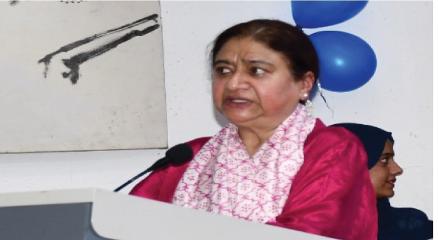
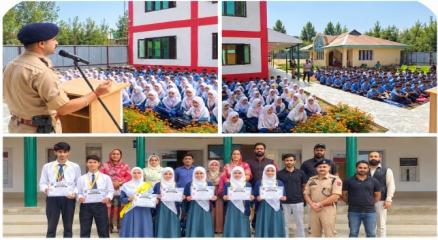
Srinagar, Oct 12: The Centre for Women’s Studies and Research (CWSR) at the University of Kashmir (KU) held a day-long programme at the main Campus to mark the International Day of the Girl Child. School students from Class 8 onwards, teachers and University faculty members took part in discussions on girls’ rights, education and well-being. The programme gave students an opportunity to learn about issues affecting their lives, share their views and take part in conversations about their rights and future. In her presidential address Vice-Chancellor KU, Prof Nilofer Khan, said every girl should have equal opportunities to learn, grow and realise her potential. She stressed the need for girls to feel safe, confident and supported as they pursue their aspirations. “Empowering every girl through education and equal opportunities is essential for building a more inclusive and progressive society,” she said. Prof. Khan also noted that educational institutions have an important role in raising awareness among young people and helping them develop the knowledge and confidence to make informed decisions. Earlier in her welcome address, CWSR Director Prof. Farzana Gulzar spoke about the importance of involving young girls in discussions on their rights, health, education and future. She said the programme aimed to help girls recognise their potential, express themselves freely and make informed choices. During the day- long event four technical sessions were held led by Dr. Sana Shawl, faculty member at KU’s Department of Management Studies, clinical psychologist Dr. Zoya Mir, Dr. Abid Sultan, faculty member at SKUAST-K and Dr. Aliya Firdous, general dentist and oral implantologist. Students also took part in art, poetry, slogan-writing, debate and quiz competitions. Prizes and certificates were presented to winners and participants.
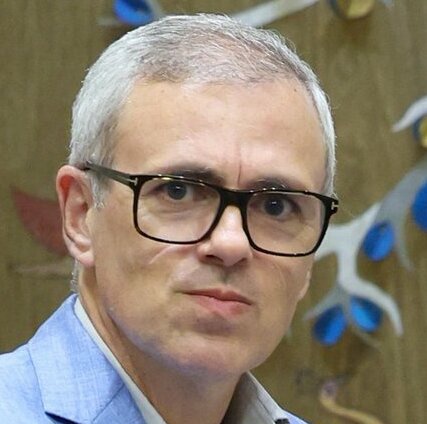
New Delhi, Oct 11: Jammu and Kashmir Chief Minister Omar Abdullah has called for a future-ready education system that prepares children for life beyond examinations by equipping them with critical thinking, digital literacy, adaptability and a strong sense of responsibility. He said governments, educators, institutions, parents and communities must work collectively to address the diverse academic, social and developmental needs of children. The chief minister was addressing the 'School Leader of the Year 2026 Summit and Awards' here, which brought together leading educators, school principals and institutional heads to celebrate excellence, innovation and leadership in K-12 education. K-12 education refers to the 13-year schooling system, from kindergarten (K) through class 12, typically covering students aged 5 to 18 before they enter higher education. Emphasising the role of school leaders in nation-building, Abdullah said principals and headteachers do much more than administer schools. They shape the learning environment, values, aspirations and future of young minds, he said, adding that strong leadership is fundamental to building safe, inclusive, innovative and student-centric institutions. He underscored that education must focus on the holistic development of every child, going beyond academic achievement to nurture creativity, communication, collaboration, problem-solving abilities and digital competence. Schools must prepare students to meet emerging challenges with confidence and responsibility, Abdullah said. He highlighted the opportunities presented by technology and Artificial Intelligence saying that there was a need to adopt these tools responsibly to improve learning outcomes, personalise education and support teachers, while ensuring that technology complements rather than replaces the human element of education. He also stressed the importance of continuous professional development for teachers and school leaders, noting that exposure to innovative teaching methods, exchange of best practices and opportunities for collaboration are essential to strengthening educational institutions. Abdullah called for an inclusive approach to educational excellence, emphasising that quality education must reach children in rural, remote and underserved communities as well as those in urban areas. The chief minister also highlighted the importance of meaningful collaboration among educational institutions, both within India and internationally, to promote innovation, share successful models and strengthen the quality of education. He observed that recognition of exemplary school leadership helps foster a culture of excellence, encouraging other institutions to learn from successful practices and adapt them to their own contexts.
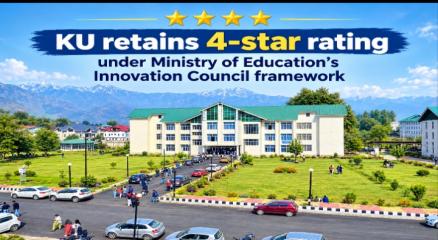
Srinagar Oct 10: The University of Kashmir (KU) has retained its 4-Star Rating under the Institution’s Innovation Council (IIC) framework of the Ministry of Education’s Innovation Cell (MIC) and the All India Council for Technical Education (AICTE). The University secured a total score of 76.79 out of 100 in the latest IIC performance assessment, declared on October 5, 2026. The rating recognises the University’s initiatives to strengthen its innovation ecosystem and encourage students and faculty members to translate ideas into practical solutions. Institutions securing a 4-star rating are considered among the best-performing institutions with a streamlined campus ecosystem for innovation and entrepreneurship. The Centre for Innovation, Incubation and Entrepreneurship (CIIE), Institute of Technology (IoT), Zakura Campus, which also serves as KU’s Institution Innovation Council, facilitates activities aimed at nurturing creativity, entrepreneurial thinking and start-up development across the University. Congratulating the CIIE team, Vice-Chancellor, KU, Prof. Nilofer Khan, said the continued recognition reflected the importance the University places on promoting an innovation-driven academic environment. “Retaining this rating is an encouraging recognition of our continued efforts to nurture innovative thinking and entrepreneurial talent. We want our students and researchers to feel empowered to explore new ideas, develop practical solutions and contribute to society through their creativity and enterprise,” she said. Registrar, KU, Prof. Naseer Iqbal, congratulated the team and said the achievement reflected the varsity's commitment to creating opportunities for students and faculty to engage in innovation and entrepreneurship. Director, IoT, Zakura Campus KU, and Chairman, CIIE, KU, Prof. M. Tariq Banday, said the rating shows the collective efforts of the CIIE team in building a culture of innovation and enterprise. Under the MIC–AICTE framework, the Council undertakes a range of activities throughout the academic year, including innovation and entrepreneurship awareness programmes, expert interactions, ideation and problem-solving sessions, design thinking, intellectual property rights awareness, exposure visits, idea competitions, hackathons, prototype showcases, mentoring and start-up development initiatives. These activities include those prescribed under the IIC calendar, MIC-driven initiatives, celebrations and self-driven programmes, with outcomes documented and reported through the designated IIC portal.
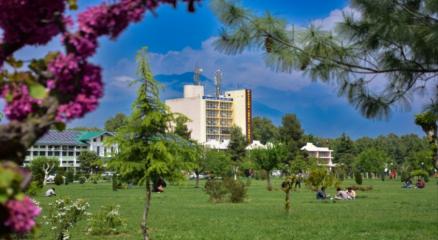
Srinagar, Oct 9: In a significant achievement reflecting its growing research excellence, 20 scientists from the University of Kashmir (KU) have featured in the prestigious Stanford University Rankings 2026, marking a notable milestone for the University. KU’s representation is among the highest and the largest among universities in the J&K UT underscoring its growing contribution to global research. The list also features women faculty members and researchers highlighting the University’s expanding research participation. The KU scientists featuring in the 2026 list include Dr Adil Gani, Prof Imtiaz Ahmad, Dr. Idrees Ahmad Wani, Prof. Farooq Ahmad Masoodi, Dr Faheem Arjamend Sheikh, Dr. Mudasir Ahmad, Dr Shabir Ahmad Parah, Dr Abdul Mueed Hafiz, Prof. Ghulam Jeelani, Dr. Basharat Ahmad Bhat, Prof Aijaz Ahmad , Dr Firdous Ahmad Shah, Dr. Arshid Bashir, Dr. Reyaz Hassan Mir, Dr. Farooq Ahmad Khanday, Dr. Akhtar Alam, Dr. Aaliya Qureashi, Dr. Shazia Shafi Sofi and Dr. Nusrat Jan. The University’s representation has grown from 14 researchers in 2024 and 2025 to 20 in 2026. The increase reflects the expanding impact of research at the University across disciplines. The continued presence of KU researchers in the list over successive years also reflects the steadiness and consistency of their scholarly contributions and their growing visibility in the global research community. Congratulating the researchers, Vice-Chancellor, KU, Prof. Nilofer Khan, said the recognition was a matter of pride for the University and reflected the dedication of its faculty towards impactful research. “This recognition reflects our researchers’ commitment to advancing knowledge and contributing to the global scientific community. The inclusion of our scientists, particularly women faculty members, is encouraging and will inspire young researchers to pursue excellence and innovation,” she said. Dean Academic Affairs, KU, Prof. Shariefuddin Pirzada, said the achievement reflected the quality of scholarship at the University and would motivate students and early-career researchers to pursue meaningful, internationally recognised research. Dean Research, KU, Prof. Bashir Ganaie, said the University’s representation in the global list shows its sustained research activity across disciplines and the importance of strengthening a vibrant research culture. Registrar, KU, Prof. Naseer Iqbal, described the recognition as both an honour and a responsibility, noting that the continued presence of KU scientists in global rankings reaffirmed the University’s standing as a centre of academic and research excellence in the region. The rankings draw on standardised citation indicators, including citations, h-index, co-authorship and other measures of research impact, to assess scientists’ contributions. KU’s representation across diverse research areas reflects its continued efforts to strengthen research, foster collaboration and encourage scholarly contributions with global relevance.
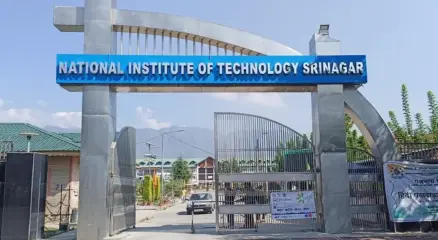
Srinagar, Oct 9: Eight faculty members of the National Institute of Technology (NIT) Srinagar have been featured in the 2026 edition of the World’s Top 2% Scientists database, compiled by researchers associated with Stanford University and Elsevier, marking a significant recognition of the institute’s research contributions. The faculty members recognised in the database are Dr. Vijay Kumar, Department of Physics; Dr. Neeraj Gupta, Department of Electrical Engineering; Dr. Pravan Kumar Katiyar, Department of Metallurgical and Materials Engineering; Dr. Sandeep Samantaray, Department of Civil Engineering; Prof. Bashir Ahmad Mir, Department of Civil Engineering; Dr. Sandeep Rathee, Department of Mechanical Engineering; Prof. M. A. Shah, Department of Physics; and Dr. Tawseef Ayoub Shaikh, Department of Computer Science and Engineering. Released this week, the database uses standardised citation indicators derived from Scopus data to assess researchers’ scientific impact and contributions across disciplines. The evaluation considers multiple bibliometric parameters, including citations, h-index, co-authorship-adjusted h-index, career-long impact and single-year research performance. Congratulating the faculty members, Director NIT Srinagar, Prof. Anurag Misra, said the recognition reflected the Institute’s sustained efforts to promote quality research and academic excellence. He said the achievement was a matter of pride for the institute and acknowledged the faculty members’ contributions to advancing knowledge in their respective fields. Their inclusion in the global database, he added, would further strengthen NIT Srinagar’s academic and research profile and encourage a culture of innovation and scientific inquiry, Prof. Misra added. Registrar NIT Srinagar, Prof. Atikur Rehman, also congratulated the faculty members, describing the recognition as an encouraging reflection of the institute’s research environment and academic commitment. He said the achievement demonstrated the importance of sustained research, collaboration and scholarly engagement in strengthening the institute’s academic standing. Prof. Rehman also expressed confidence that the recognition would motivate students, research scholars and young faculty members to pursue innovative research and contribute to scientific advancement.

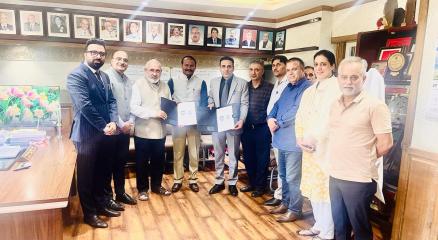
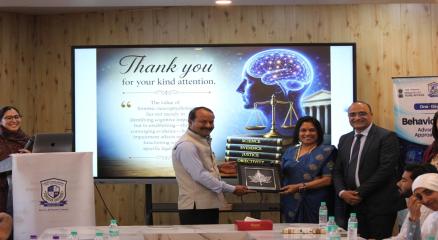
Srinagar, Sep 20: In a significant development, Sher-i-Kashmir Institute of Medical Sciences (SKIMS), Srinagar, and Rashtriya Raksha University (RRU), Jammu and Kashmir Campus, have entered into a Memorandum of Understanding (MoU) aimed at strengthening academic, clinical and professional collaboration in the areas of rehabilitation, mental health, behavioural forensic services, research and training. The MoU was formally signed by the Directors of SKIMS and Rashtriya Raksha University, Jammu and Kashmir Campus, on the occasion graced by distinguished dignitaries, including former Vice-Chancellor of the Central University of Kashmir and Lifetime Professor Dr. Mehraj Uddin Mir, RRU J&K Campus Assistant Director Dr. Mohammad Akmal Shah, Assistant Professor Dr. Mudasir Bhat and Director Finance SKIMS. Speaking on the occasion Director, SKIMS, said this MoU will strengthen interdisciplinary collaboration in clinical learning, rehabilitation, mental health and research. DirectorRashtriya Raksha University, Jammu and Kashmir Campus, said this collaboration will provide valuable clinical exposure to our students and strengthen joint research and training in behavioural sciences and different areas of forensic services. "The agreement provides a framework for collaboration in clinical and forensic teaching, mental health services, rehabilitation, forensic mental health services, capacity building, joint research, academic publications, internships, faculty exchange and knowledge sharing," the official handout reads. As per the handout, the two institutions will also collaborate on joint research projects, publications, scientific workshops, seminars, symposia, conferences and specialised training programmes on mutually identified areas. "The collaboration will also support the development of integrated approaches to challenges relating to disability besides promoting capacity building and interdisciplinary learning," it reads. The collaboration is expected to provide a structured platform for academic exchange, supervised clinical learning, interdisciplinary research and professional training, while strengthening institutional cooperation between SKIMS and RRU, J&K campus.
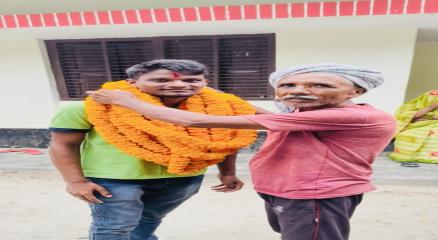
Kota, Sep 20: The career and coaching hub of Kota continues to emerge as a platform for talented students from villages and small towns who, despite limited resources and lack of proper guidance, aspire to achieve their academic and professional goals. One such story is that of Prabhat Kumar Yadav, a resident of Devkipur village in Machhli tehsil of Uttar Pradesh’s Jaunpur district, who has secured All India Rank (AIR) 3864 in NEET UG 2026 and secured admission to King George’s Medical University Uttar Pradesh, Lucknow Campus. Prabhat prepared for the medical entrance examination at ALLEN Career Institute in Kota. He had earlier secured 89.44 per cent marks in Class 10 and 83.44 per cent in Class 12. His achievement has brought celebrations not only to Devkipur but also to around four neighbouring villages. Prabhat’s father, Mahendra Kumar Yadav, has been driving an auto-rickshaw in Mumbai for nearly 20 years to support his family. Living away from his wife, children and elderly father in a small chawl in Mumbai, Mahendra continued working hard to meet the family’s needs and support his son’s ambition of becoming a doctor. A video of the family celebrating Prabhat’s success has gone viral on social media. Mahendra became emotional after receiving the news of his son’s achievement, while Prabhat’s grandfather, Indra Bahadur Yadav, celebrated by dancing. In the viral video, Indra Bahadur said Prabhat had honoured his father’s hard work and sacrifices through his achievement. Prabhat lives in Devkipur with his grandfather, mother Bansraji and siblings, while his father has spent nearly two decades working in Mumbai. Speaking about his achievement, Prabhat said the hard work and sacrifices of his family members, coupled with the guidance he received at ALLEN Kota, played a major role in his success. He said he now wants to become a good doctor and serve his village and society. Prabhat initially studied while staying in his village and subsequently came to Kota for better preparation for NEET. He underwent nearly two years of coaching and enrolled as a classroom student at ALLEN Career Institute. He received a 50 per cent fee concession, while his father paid the remaining fee in monthly instalments. His maternal uncle, Dayaram Yadav, also supported him by arranging accommodation and food. Prabhat’s first attempt yielded 504 marks. Determined to improve his performance, he intensified his preparation and eventually secured 627 marks and AIR 3864 in NEET UG 2026. ALLEN Founder Dr Naveen Maheshwari said Kota was helping children fulfil their dreams by recognising and nurturing their talent. He said such students were becoming an inspiration not only for their families but also for society and the country, adding that ALLEN remained committed to extending every possible support to deserving students. Prabhat’s success has generated excitement in Devkipur and the surrounding villages. Villagers said his achievement, despite limited family resources, had emerged as an inspiration for other students in the region. Relatives, villagers and people from the area have been continuously congratulating the family. Several children from neighbouring villages have also started approaching Prabhat to seek guidance on preparing for competitive examinations and building their careers.
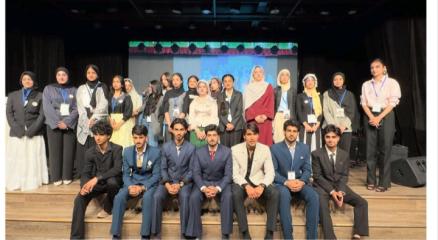
Srinagar, Sep 20: The 5th edition of the Green Valley Model United Nations (GVMUN) concluded at Green Valley Educational Institute (GVEI) after three days of intensive debate, diplomatic deliberations and discussions on pressing global issues. More than 200 delegates from schools across the Valley participated in the three-day event. The conference was jointly inaugurated by advisor to J&K CM Nasir Aslam Wani and MLA Hazratbal Salman Ali Sagar. The valedictory ceremony was attended by social activist Roma Wani as the chief guest and was accompanied by Chairman GVEI, Mohammad Yousuf Wani, Director GVEI Prof. (Dr) Fayaz Ahmad Nika, Principal GVEI, Reyaz Ahmad Kathjoo, faculty members, delegates, staff and students. The three-day conference featured six committees, with delegates taking on the roles of diplomats, policymakers and international representatives to deliberate on complex issues including the Gulf Crisis, international shipping and energy security, and global drug policies. The conference showcased not only public speaking and debating skills but also the ability to develop well-researched policy implications and practical diplomatic solutions, with award-winning papers reflecting diverse approaches to some of the most challenging international questions. Discussions on global drug policies moved beyond conventional debates on prohibition and enforcement, with one position paper advocating a dual-pillar approach combining universal public health, harm reduction and treatment with targeted intervention against transnational criminal networks. The other committees namely Historical Crisis Committee, UNWC, UNSC witnessed thought provoking debates. The Director GVEI Prof. (Dr) Fayaz Ahmad Nikka welcomed the guests and talked about the efforts of this institution in providing the best possible education to its students. The Chief Guest, Roma Wani personally visited the various houses during the last session and interacted with the delegates. She enquired from the delegates about how their interactions and debates can bring changes in the real world. "It is important to take some life lessons from these debates and discussions," she said. While addressing the delegates she said such conferences are very important in nurturing our future generation. "I appreciate the intellect, energy and grit of our students. Our future seems to be in secure hands.” She added. She further said that youth has a greater responsibility to discuss, debate and help in creating a drug free society. The highlight of the valedictory ceremony was the felicitation and prize distribution, where outstanding delegates were recognized for their performance across the various committees, with awards acknowledging excellence in research, diplomacy, articulation, negotiation and committee participation. The vote of thanks was proposed by the Principal GVEI Riyaz Ahmad Kathjoo who expressed gratitude to the chief guest, delegates, other dignitaries and also acknowledged the efforts of the GVMUN Core Team, Executive Board, organising committee, faculty coordinators and participating schools, whose collective efforts contributed to the successful conduct of the conference. The students also presented some cultural performances during the event.
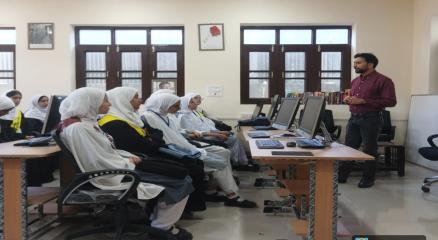
Baramulla, Sep 20: A day-long Science outreach programme was organised by the IQAC and UGC & Research committee in collaboration with Science Department of Government Degree College (GDC) Sopore. As pe the handout issued here, the programme was organised under the supervision of Principal GDC Sopore Prof. (Dr.) Syed Muzaffar Ahmad. The event was organised for higher Secondary School Students of Sopore with the objective of strengthening scientific awareness, encouraging curiosity and inquiry among students, and providing participants with meaningful exposure to science through interaction, inspiration and departmental learning activities. The programme combined formal addresses, inspirational talks besides practical and academic departmental visits. It was followed by feedback and the distribution of participation certificates. Around 56 students from Government Boys Higher Secondary School and Government Girls Higher Secondary School Sopore participated in the event. The programme commenced with the introduction of the Science Outreach Programme by moderator Dr. Nowsheen Hameed, Assistant Professor Department of Biotechnology. Dr. Javeed Ahmad Sheikh Coordinator, IQAC delivered the Welcome Address and welcomed the participants and highlighted the objectives of the outreach programme. Principal, Prof. (Dr.) Syed Muzaffar Ahmad, delivered the Presidential Address in which he provided institutional context to the outreach initiative and emphasised the importance of scientific awareness, academic engagement and meaningful learning opportunities for students. He also encouraged the participants to make constructive use of the opportunities provided through the programme. Invited resource persons delivered inspirational talks and shared real-life experiences. This segment was designed to connect scientific learning with practical experiences and to motivate students to develop curiosity, perseverance and an interest in science. Interaction with resource persons provided participants with an opportunity to appreciate the role of scientific knowledge and learning beyond the classroom. The first resource person Zeeshan, a neuroscience researcher at the University of California, San Francisco (UCSF), shared his academic and research journey with the students. The second resource person, Dr. Adil Majeed Rather, DST INSPIRE Faculty, NIT Srinagar, shared his personal academic journey and experiences in research, inspiring students to pursue their aspirations with determination and perseverance. The third resource person, Dr. Rahila Nazir, a researcher with postdoctoral research experience at reputed institutions in India and the United States delivered an inspiring message to the students about the importance of ambition, perseverance and self-belief. The fourth resource person, Dr. Javeed Rasool, Postdoctoral Research Associate at Boston University, USA emphasised that academic marks alone do not determine success in life.
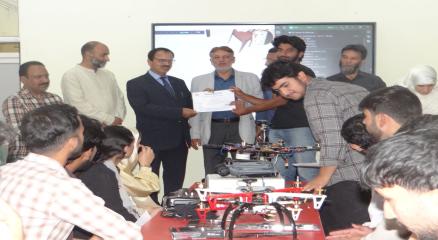
Srinagar Sept 19: The University of Kashmir (KU), through the Centre for Innovation, Incubation & Entrepreneurship (CIIE), Institute of Technology (IoT), Zakura Campus, concluded the first phase of a five-day Skill Development Programme on “Drone Technology – Designing & Hands-on Workshop”, organised from September 14–18 at the e-Yantra Embedded Systems & Robotics Lab. The programme provided participants practical exposure to various aspects of drone technology, including drone components and anatomy, aerodynamics, flight controllers, quadcopter assembly, simulation, mission planning, CAD-based design, Python programming, flight operations and applications in agriculture. A total of 20 participants, selected from over 200 registrations from different educational institutions, participated in the first phase, combining conceptual learning with hands-on experimentation and technology-oriented skill development. Vice-Chancellor, KU, Prof. Nilofer Khan, said emerging technologies such as drones are creating new avenues for innovation, research and entrepreneurship, while practical learning enables students to apply technology to real-world challenges. “By combining conceptual understanding with hands-on learning, we can empower our students to develop technology-based solutions to real-world challenges,” she said. Dean Academic Affairs, KU, Prof. Shariefuddin Pirzada, appreciated the structured approach of the programme, which enabled participants to progress from fundamentals to assembly, simulation, programming and flight operations. Registrar, KU, Prof. Naseer Iqbal, emphasised the importance of practical and interdisciplinary training in contemporary higher education, noting that drone technology integrates areas such as electronics, programming, engineering, design and automation and offers diverse real-world applications. Dean and Director, IoT, Zakura Campus KU, Prof. M. Tariq Banday, highlighted the importance of providing learners opportunities to experiment, build and test technology-based solutions. He added that over 200 participants have registered for the Drone Technology and allied workshops at the Lab. Workshop coordinators Dr. Bilal Ahmad Malik and Dr. Mir Nazish, and Rutba Majeed, DGCA-certified Drone Pilot and Instructor, were also present on the occasion. The workshop is part of KU’s continuing skill-development and capacity-building initiatives aimed at providing practical exposure to emerging technologies and developing industry-relevant skills. The e-Yantra Embedded Systems & Robotics Lab, established at IoT Zakura Campus with support from RUSA 2.0, provides infrastructure for hands-on learning and experimentation in embedded systems, robotics and related technological domains.
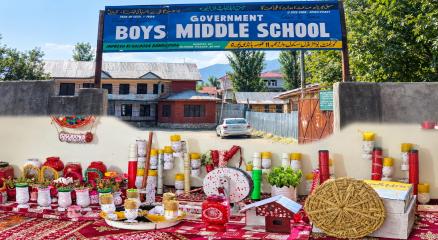
Suhail Rather Bandipora, Sept 19: In a classroom where discarded material could have ended up as waste, students of Government Boys Middle School (BMS) Kaloosa have created something remarkably different a collection of innovative and useful exhibits under the school’s “Trash to Treasure” project. What makes the initiative particularly striking is the pace at which it has taken shape. In less than 15 days, the classroom has been transformed into a creative space filled with items made from discarded materials, reflecting the imagination and efforts of the students and teachers. The initiative aims to inculcate a culture of recycling, cleanliness and responsible waste management among students while giving them an opportunity to learn through practical activities rather than textbooks alone. The project has received appreciation from the Chief Education Officer (CEO) Bandipora and the concerned Zonal Education Officer, who lauded the school for encouraging creativity and environmental awareness among students. Head of Institution Mushtaq Ahmad Mir attributed the initiative largely to the dedicated efforts of teacher Rehana Mushtaq, saying her commitment had played an important role in taking the project forward. “Whatever has been created here is the result of the efforts of Rehana Mushtaq, a teacher of our school, who is working her best for this noble cause,” Mir said. The exhibits demonstrate how materials generally considered useless can be reused creatively, giving students a practical understanding of sustainability and waste management. Deputy Commissioner Bandipora Indu Kanwal Chib also appreciated the school’s efforts, saying, “This school has the vision as well as potential to set an amazing example in Swachhata for other schools of Bandipora district to follow.” The initiative has turned an ordinary classroom into a space of experimentation and learning, offering a simple message, what is discarded as waste can become a source of creativity when young minds are given the opportunity to innovate. (KNS)


Srinagar, Sep 11: The Jammu and Kashmir Private Schools Association (PSA) has announced a landmark strategic collaboration with internationally acclaimed Finnish education expert and Director of Finland 2030 × Lifology, Meike Krautscheid, aimed at transforming the school education ecosystem in Jammu and Kashmir and creating a more learner-centric, innovative and future-ready environment for students. The collaboration seeks to draw upon key principles associated with Finland’s education system, including child-centred learning, reduced academic stress, creativity, practical education, socio-emotional development and greater emphasis on skills and real-world learning, while adapting these ideas to the local educational and social context of Jammu and Kashmir. As part of the initiative, Meike Krautscheid, accompanied by Jammu & Kashmir Private Schools Association (PSA) representatives, undertook extensive visits to various private schools in Kashmir. The visits included interactions with school managements, teachers and students, observation of classroom practices and discussions on existing pedagogical approaches and the challenges confronting the education sector. The collaboration was also discussed in the presence of Nafisa Barodawala, Apex Training Educator and Soft Skills Trainer; PSA State President Bilal Ahmad Bhat; PSA Director Media & Communications Dr. Owais Mattoo; PRO B.A. Shah and other stakeholders. Following the assessment visits, the Jammu & Kashmir Private Schools Association (PSA) and Meike Krautscheid jointly outlined a comprehensive roadmap focused on four key areas: teacher capacity building through specialised training in child-centric and modern pedagogy; academic exchange programmes to provide students, teachers and edu. leaders with international exposure; educational tourism through learning exchanges, retreats and academic forums and district-level Innovation Hubs to promote creativity, critical thinking and practical STEM-based learning. Speaking about her experience in Jammu and Kashmir, Meike Krautscheid, Director of Finland 2030, said her visit had provided an opportunity to understand the region’s educational environment, interact with school managements, teachers and students and explore areas where international collaboration could create practical value. “I am very happy to meet with the Jammu & Kashmir Private Schools Association (PSA), faculties and students here in Kashmir. One of the most important things to thrive in life is openness, compassion and love for what you do. Knowledge is the next step, but openness allows us to keep learning and growing”. Meike highlighted the importance of practical learning and giving students opportunities to gain experience beyond conventional classroom instruction. “Students should not only learn concepts, they should also get practical experiences. They need opportunities to experiment, create, solve problems and understand how knowledge works in real life. This is an important part of preparing young people for the future." On the possibility of creating exchange and training opportunities between Kashmir and Finland, Krautscheid said the partnership could be developed in several ways through the JKPSA and her international network. “If someone wants to experience Finland and its education system, receive training or explore different aspects of the Finnish learning environment, these opportunities can be arranged. The partnership can be developed in different ways and the Jammu & Kashmir Private Schools Association can play an important role in building that bridge." Meike encouraged students and educators in Jammu and Kashmir to remain curious, open-minded and willing to step beyond their comfort zones. “Stay open and stay curious. Doors will open when you step outside your comfort zone. The internet gives us access to enormous amounts of knowledge, but experience also comes from encountering different cultures, mindsets and perspectives. Expand your mind, expand your perspective that is what can make a person truly successful in life." PSA State President Bilal Ahmad Bhat said the association was delighted to welcome Meike Krautscheid to Jammu and Kashmir, describing the collaboration as a significant opportunity to jointly advance teacher capacity building, modern pedagogical practices, international academic exposure and future-oriented learning across the region. “It is with immense pride and pleasure that we welcome Ms. Meike to Jammu and Kashmir. We are very happy to have her with us, we will organise specialised teacher-training programmes with her support. We also hope to facilitate visits by experts from Finland to Jammu & Kashmir so that our teachers can benefit from international experience and modern teaching practices." Bhat said the association’s larger vision was to create a schooling environment where academic excellence goes hand in hand with students’ emotional well-being, creativity and practical skills. “Our vision is to build a schooling model that reduces academic stress while empowering our children with future-ready skills. This collaboration is an important step towards bringing meaningful global practices into our classrooms while ensuring that every initiative remains relevant to the needs of our students and schools in Jammu and Kashmir." JK-PSA Director Media & Communications Dr. Owais Mattoo described the initiative as a major opportunity for the private school sector to establish a meaningful bridge between Jammu and Kashmir and Finland in the field of education sector. “On behalf of the Jammu & Kashmir Private Schools Association (PSA), I extend our heartfelt gratitude to Ms. Meike for visiting Kashmir, visiting our schools and spending valuable time with our leadership, teachers and students. We have visited several schools together and we strongly believe this collaboration will produce fruitful results in the future." Dr. Mattoo said the partnership would focus on teacher capacity building, academic exchange programmes, educational tourism and school-based Innovation Hubs. “The Jammu & Kashmir Private Schools Association (PSA) will act as a bridge between Finland and Kashmir. We want to create opportunities for our students, teachers and school leaders to visit Finland, understand how education is imparted there and gain first-hand international exposure. At the same time, we want Finnish experts to come to Kashmir and share their experience with our educators." Dr. Mattoo called the collaboration a “golden opportunity” for the region’s private education sector. He said the initiative could help schools move beyond conventional teaching models and explore emerging pedagogies. "We usually look at international pedagogies and try to learn from them. Meike is working at the level of creating and developing new pedagogies for the future. That makes this collaboration particularly valuable for us. It gives our schools an opportunity to explore innovative approaches rather than simply follow established models." The Jammu & Kashmir Private Schools Association (PSA) described the collaboration as a significant step towards bringing global educational expertise and innovative practices to local schools, while ensuring that the region’s educational needs and cultural values. The initiative is aimed at building more progressive, inclusive, child-centric and future-ready education system that empowers students and strengthens educators for the challenges of a rapidly changing world. The association reiterated its commitment to taking the initiative forward systematically in the coming months, with a particular focus on teacher training, student development, innovation, international exposure and future-ready education.
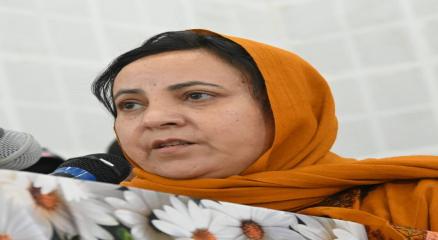
Srinagar, Sep 5: Minister for education Sakina Itoo Saturday said the government wanted to transform the Education Department into the best-performing department in Jammu and Kashmir. Speaking during the Teachers’ Day function at SKICC, Sakina Itoo also appealed to teachers and officers to work as a team to strengthen government education and reduce dependence on private schools. “We want to build a better education system for the children of Jammu and Kashmir so that they do not have to go to private schools,” she said. She, however, called upon teachers to ensure that students are treated with care and compassion, saying every child should feel safe, important and loved in school. “Every child who goes to school should feel their own and love,” she said. She said the government was set to issue order for transfer policy for Rehbar-e-Taleem (RET) teachers and announced that she will move a resolution in the forthcoming Assembly session seeking withdrawal of the Teacher Eligibility Test (TET) for teachers in Jammu and Kashmir. She said the ReT transfer policy was already placed in the public domain and the government would shortly issue the final order. “The transfer policy of ReTs has already been put in the public domain. In a short time, the transfer policy will be completed in the public domain and we will issue an order,” she said. She added that the policy would address difficulties faced by ReT teachers, including those arising from health and marriage-related circumstances. The minister said the government was taking the issues confronting the teaching community seriously, saying that several orders were already issued while some other matters were also under consideration. “The pending issued will be considered soon and given a final shape,” she said. On the contentious TET issue, Sakina Itoo said there was widespread criticism of the test and announced that she would personally bring a resolution on the matter during the upcoming Assembly session. “We do not need the TeT here. The government will bring this resolution. As the education minister, I will bring this resolution myself in the Assembly,” she said. She said the move was aimed at protecting the dignity and respect of teachers who are the “pride” of the government. “My teachers are my pride. Through this resolution, their dignity and respect is not compromised,” Itoo said. She further assured the teachers that the government would continue efforts to ensure that their dignity was not compromised. The minister also defended teachers against the "disproportionate amplification" of isolated incidents on social media. She said the contribution of teachers, who spend years working with students, was often ignored while minor negative incidents were highlighted on social media platforms. “Today, if there is even a small mistake of our teacher, it is presented in such a big way, his contribution is not remembered,” she said. She further said the dignity of teachers cannot be protected by the government alone but the society also has a responsibility to respect and appreciate the community for their contribution. She said the schemes under Samagra Shiksha were implemented and benefits were extended to children in remote areas. She also referred to the Jammu and Kashmir e-Patshala initiative aimed at providing education in areas where poor internet connectivity disrupts online learning. The minister also hinted that the government was considering providing cash incentives along with medals and certificates to teachers receiving awards, although she acknowledged that it might not be possible immediately. She said the proposal was not merely about money but about recognising and enhancing the dignity of teachers. She expressed hope that the J&K Education Department would eventually rise to the top nationally, while calling for continued support from teachers and departmental officers.
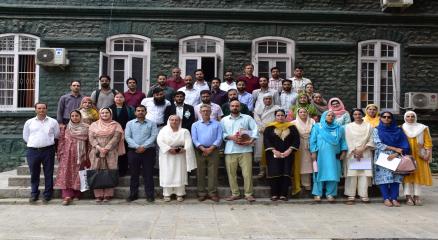
Srinagar, Aug 19: The two-day National Conference on “Gender Equality in the 21st Century—Perspectives & Pathways to SDG-5” concluded at Government College for Women, M.A. Road, Srinagar, on Wednesday. The valedictory session reflected on the wide-ranging academic deliberations held during the conference and underlined the need to translate discussions on gender equality into meaningful social change. Prof. Mufti Mudasir, Professor and Head, Department of English, University of Kashmir, was the Special Guest at the valedictory session and delivered the Valedictory Address. In his address, Prof. Mudasir examined the question of gender justice through the prism of religious, intellectual and legal traditions, arguing for a critical and creative engagement with tradition rather than viewing tradition and reform as necessarily incompatible. Drawing upon Islamic intellectual history and particularly the thought of Allama Muhammad Iqbal, he highlighted how questions concerning women, justice and legal interpretation have been debated from within the intellectual tradition itself. Prof. Mudasir discussed the historical challenges faced by women in matters such as marriage and divorce and Iqbal’s concern over interpretations that could produce inequitable outcomes. He maintained that commitment to religious and spiritual traditions could coexist with a vision of gender justice rooted in human dignity, compassion and fairness. Prof. Mudasir stressed the importance of approaching questions of gender with intellectual openness while remaining sensitive to the cultural and religious contexts in which societies are situated. Earlier, Prof. Shabir Ahmed Parrey, Assistant Professor, Department of Political Science, delivered the Welcome Address while Prof. Mustafa Majid, Assistant Professor, Department of Education, presented the consolidated reports of the technical sessions. Principal, Prof. (Dr.) Yasmeen Farooq said the conference witnessed deliberations on gender equality from diverse perspectives, including education, economics, political participation, literature, media, technology, environment and everyday social experience. The valedictory proceedings were moderated by Dr. Suhail Ahmad, Assistant Professor and Head, Department of Journalism & Mass Communication while Prof. Sheba Drabu, Co-Convener of the conference, presented the Vote of Thanks. The session concluded with the distribution of certificates to the participants.
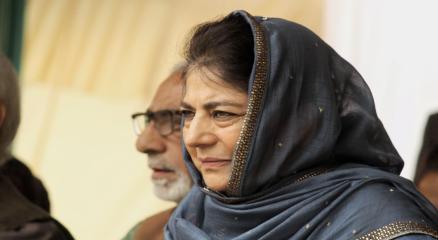
Srinagar, Aug 14: Jammu and Kashmir Peoples Democratic Party (PDP) President Mehbooba Mufti Friday expressed serious concern over the reported deterioration of academic, administrative and financial affairs at Baba Ghulam Shah Badshah University (BGSBU), Rajouri. She urged the J&K Government to take immediate corrective measures to protect the interests of students and faculty. Mehbooba Mufti said BGSBU holds immense significance for the people of the Pir Panjal region and was established to provide quality higher education to students from Rajouri, Poonch and adjoining areas. She said the institution cannot be allowed to weaken on account of prolonged administrative and financial difficulties. She expressed concern over the prolonged absence of regular recruitment and the continued dependence on contractual and temporary academic arrangements. She said repeated engagement of faculty on temporary terms cannot be a substitute for a transparent, regular and time-bound recruitment process, particularly in a university that caters to a large and geographically disadvantaged region. Mehbooba Mufti also expressed concern over reports of prolonged delays in the payment of salaries to university employees. Reports in recent months have highlighted allegations of salaries remaining unpaid for several months, alongside concerns relating to stalled promotions, administrative vacancies and declining research activity. She said such uncertainty not only affects the morale and dignity of employees but also has a direct bearing on the quality and continuity of academic work. “An institution of higher learning cannot be expected to flourish when its teachers and employees are uncertain about their salaries, departments remain dependent on temporary arrangements and legitimate career progression remains pending. BGSBU needs institutional stability, not temporary solutions,” she said. She said the concerns surrounding BGSBU should not be viewed as isolated administrative issues but as a larger question concerning the educational future of the Pir Panjal region. "For students who cannot afford to travel outside the region for higher education, the university remains a critical gateway to professional and academic opportunities," she added. While acknowledging the importance of ongoing infrastructure projects at the university, Mehbooba Mufti said physical infrastructure alone cannot ensure academic excellence. She stressed the need for regular faculty recruitment, adequately equipped laboratories, stronger research facilities, functional libraries, student support systems and a stable academic administration. She also expressed concern over the lack of adequate engagement with the university at the highest institutional level and urged the Chancellor and the J&K Government to visit the campus, interact with students, faculty and employees and take stock of the situation firsthand. She called upon Chief Minister Omar Abdullah and Chancellor Manoj Sinha for their intervention and urged the administration to undertake a comprehensive review of the university’s academic, financial and administrative functioning and formulate a time-bound revival plan. “BGSBU is not merely another university. It is the educational lifeline of the Pir Panjal region. Years of neglect in recruitment, salaries, research and administration cannot be allowed to compromise the future of its students. The government must wake up and act before an entire generation is made to pay the price for institutional neglect,” Mehbooba Mufti said. The PDP President said strengthening BGSBU must be treated as a priority, with adequate financial support, regular recruitment, timely salaries, academic reforms and sustained investment in research and infrastructure, so that the university can fulfil the purpose for which it was established.
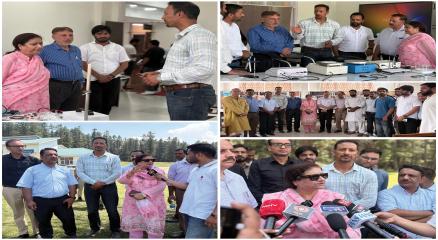
Kupwara, Aug 13: Vice-Chancellor, University of Kashmir (KU), Prof. Nilofer Khan Thursday visited the University’s Kupwara Campus and held a detailed interaction with students, faculty members, civil society representatives, educationists, district administration. The interaction was held to review the developmental needs, academic expansion and infrastructure requirements of the campus. The meeting was attended by senior University officers and academicians, including Dean Academic Affairs Prof. Shariefuddin Pirzada, Registrar Prof. Naseer Iqbal, Prof. Pervez Ahmed, Dean, School of Earth & Environmental Sciences, Prof. Mubashir Masoodi, Director Kupwara Campus, Prof. G. M. Rather, Head, Department of Geography & Disaster Management, Chief Proctor Prof Imtiaz A Khan, Dr. Ashfaq Zarri, Special Secretary to VC and Joint Registrar Budget, Altaf Ahmad, Joint Registrar Estates, and Dr. Tanveer Ahmad, Joint Registrar Development, officials from University's construction division besides representatives of the District Administration, including Peerzada Mumtaz, Assistant Commissioner Revenue, Faisal Farooq, DFO Kehmil, AEE R&B Kupwara, JE, PDD Kupwara and other officials from the district administration. Representatives of civil society and district administration assured full cooperation for the planned development of the Campus. Later in the evening, Prof. Nilofer Khan also held a meeting with Deputy Commissioner, Kupwara, Shrikant Balasaheb Suse to deliberate on the developmental requirements of the University’s Kupwara Campus and the need for close coordination between the University and district administration. The discussions focused on issues relating to road connectivity, demarcation and protection of University land, development of essential infrastructure and other administrative matters requiring inter-departmental coordination. The Deputy Commissioner assured the Vice-Chancellor of full cooperation and support from the district administration in facilitating the planned and time-bound development of the Campus. Both sides emphasised the importance of coordinated efforts to address the infrastructural and developmental requirements of the institution and to ensure better educational facilities for students and youth of the region. Key issues discussed included demarcation and fencing of the University land, road connectivity, student amenities, transportation, hostel facilities, academic expansion and introduction of market-driven skill-based programmes. Regarding road connectivity, two feasible options for providing dedicated access to the Campus were explored with the officers deputed by the district administration. An on-the-spot GPS survey of the Campus land was also conducted by the University’s Department of Geography & Disaster Management in collaboration with the concerned forest division to facilitate accurate demarcation and future development planning. The Vice-Chancellor stressed on the strategic importance of the Kupwara Campus and directed that its development be pursued on priority. She also issued on-the-spot directions for establishing a high-standard canteen at the Campus to improve student facilities and approved the procurement of two Winger-type vehicles to strengthen transportation and logistical support for the Campus. The development of hostel facilities for girls was also discussed as an important requirement. On the academic front, Prof. Khan directed the introduction of market-driven and industry-oriented skill courses to enhance employability and create better career opportunities for the youth of the region. She assured that the University would take forward the process for starting B.Sc. Nursing and Paramedical programmes at the Campus. The University will also explore additional skill-oriented and employment-focused programmes, including emerging disciplines such as Fashion Technology and other professional courses, in response to the educational and career aspirations of local youth. Addressing the stakeholders, Prof. Nilofer Khan said that Kashmir University was committed to developing the Kupwara Campus as a vibrant centre of quality education, skill development and academic excellence. She said that its growth remains aligned with the educational aspirations and developmental needs of the region. She stressed on the importance of coordinated efforts between the University and district administration for the planned, coordinated and time-bound resolution of infrastructural and developmental issues. She further emphasised that the introduction of skill-oriented and industry-linked programmes would create greater educational and career opportunities for students and youth of the region. Prof. Khan also interacted with students and faculty members, taking feedback on academic and campus-related issues and resolved some grievances on the spot. She also met members of the civil society to seek their suggestions for further strengthening the institution’s engagement with the local community. She assured the stakeholders that the concerns and suggestions raised during the visit, especially the growing demand for more need-based and employment-focused courses, would be taken up on priority and that the University would work closely with the concerned departments, district administration and local community for their timely resolution. The visit also featured a ‘Har Ghar Tiranga Rally’ at the Kupwara Campus, in which students, faculty and staff participated with patriotic enthusiasm. The activity brought the campus community together as part of the University’s Independence Day observances.
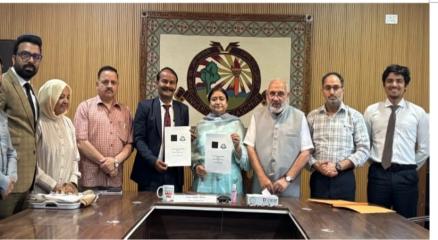
Srinagar, Aug 3: Rashtriya Raksha University (RRU), Gujarat, an Institution of National Importance under the Ministry of Home Affairs, on Monday signed a Memorandum of Understanding (MoU) with the University of Kashmir (KU) to strengthen academic collaboration through joint research, student and faculty exchange programmes, internships, and skill development initiatives. The agreement was signed at the office of the Vice Chancellor, University of Kashmir, by Director of RRU's Jammu and Kashmir Campus, Dr. Mahesh Tripathi, and Registrar, University of Kashmir, Prof. (Dr.) Naseer Iqbal, on behalf of their respective institutions. The MoU signing ceremony was attended by Vice Chancellor, University of Kashmir, Prof. (Dr.) Neelofar Khan, Lifetime Professor at RRU Prof. (Dr.) Mehraj Ud Din Mir, Head and Dean School of Law University of Kashmir Prof. (Dr.) Shahnaz, Special Secretary to the Vice Chancellor, Dr. Ashfaq Ahmad Zari, Senior Law Faculty at RRU Dr. Mudasir Bhat and Senior Law Faculty School of Law KU Dr. Mohammad Yaseen Wani. As per the agreement, the two institutions will collaborate on joint research projects, student and faculty exchange programmes, internships, and credit transfers under the Choice Based Credit System (CBCS). The partnership will also focus on teacher training, consultancy, and capacity building in areas including national security, behavioural and forensic sciences, law, police administration, criminology, and other multidisciplinary fields. Officials said the collaboration is aimed at promoting academic excellence and creating greater opportunities for students and faculty through shared expertise and institutional resources. The MoU is expected to enhance academic, research, professional and extension activities between the two universities while fostering closer cooperation in emerging areas of higher education and national security studies.
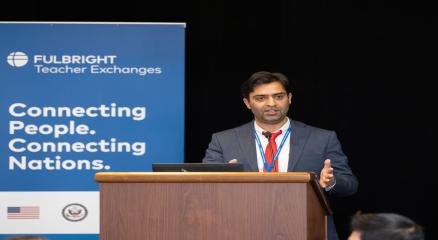
Srinagar, Jul 23: In a significant development, Baramulla-based educator and Fulbright Fellow Rameez Ahmad Sudhan has been selected to present his research paper at the Comparative and International Education Society (CIES) Northeast Regional Conference. The conference is scheduled from November 13 to 15 at Teachers College, Columbia University, New York. The paper was accepted after a competitive peer-review process for the international conference, which will focus on education, migration and displacement. The event is organised by the Comparative and International Education Society (CIES), one of the world's leading academic bodies in the field of education, bringing together researchers, policymakers and practitioners from across the globe. Sudhan is currently serving at the District Institute of Education and Training (DIET), Baramulla, where his work focuses on continuous professional development of teachers, development of educational resources and supporting schools in implementing competency-based learning in line with the National Education Policy (NEP) 2020 and the NIPUN Bharat Mission. According to the organisers, the conference aims to promote interdisciplinary research on migration, displacement and education while providing a platform for emerging scholars. Sudhan's study highlights the educational experiences of communities that remain underrepresented in global academic discourse. Reacting to the development, Sudhan said the acceptance of his paper was an opportunity to present educational experiences from Jammu and Kashmir before an international audience. He described it as recognition of the resilience shown by students, teachers and communities in the region. He also acknowledged the support of his department and colleagues, saying they had provided opportunities for professional growth and learning in line with the vision of NEP 2020. "Education is a powerful instrument for resilience, peace-building and hope. The experiences of children and educators in Jammu and Kashmir deserve greater international attention," he said. The acceptance of the research paper marks a notable international recognition for an educator from Jammu and Kashmir and reflects the region's growing contribution to global educational research.
Srinagar, Jul 22: The Private Schools' Association Jammu & Kashmir (PSAJK) Wednesday clarified that no elections of the association were held under its banner on July 18 at Hotel Palms, saying that claims of an election conducted on that day were "false, misleading and unconstitutional." The clarification came after a meeting of the PSAJK State Executive Committee was held to discussed recent developments concerning individuals claiming to represent the association. In a statement, the committee said reports suggesting that "for the first time elections of PSAJK were conducted" on July 18 were contrary to the association's constitution and hye-laws. The committee further announced the termination of the basic membership of office-bearers who allegedly participated in the July 18 proceedings, accusing them of financial irregularities, embezzlement of association funds and failure to submit audited accounts despite repeated directions. According to PSAJK, the former president had already retired from office and was only serving in an ex-officio capacity until October 12, 2025, without any authority to convene or authorise elections. The association said that, under its Constitution, no Annual General Meeting (AGM), Special General Meeting or election process can be convened without the approval of the President on the recommendation of the State Executive Committee. It said any exercise undertaken outside this framework is "null and void." PSAJK condemned attempts by a "self-styled and illegitimate group" to mislead the school fraternity and the public. The executive committee approved the continuation of legal proceedings and complaints before competent law enforcement agencies for the recovery of association funds and action against former office-bearers accused of financial irregularities. The executive committee of PSAJK also resolved to inform financial institutions and other relevant authorities about the termination of the concerned individuals and the alleged illegitimacy of any group claiming to function on behalf of PSAJK without constitutional authority. Reiterating the legitimacy of the existing leadership, the Committee said the association's recognised elections had already been conducted in accordance with prescribed norms, with the participation of member schools, for a three-year term. It alleged that a few retired and terminated individuals were attempting to undermine the elected body for "ulterior motives." The committee appealed to member schools, stakeholders, government departments and the general public to recognise only those office-bearers functioning in accordance with the PSAJK Constitution and to disregard claims made by any unauthorised persons or groups.
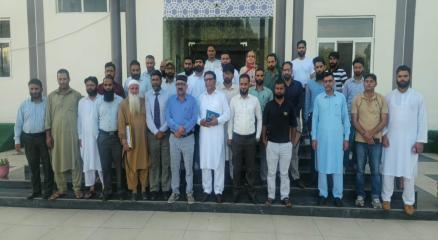
Anantnag, Jul 18: The Private Schools' Association Jammu & Kashmir (PSAJK) Friday organised an educational conclave at Lucent Global School, Batengoo, Anantnag. The event was attended by school leaders, principals, administrators, teachers, and management representatives from across the district. Prof. Parvaiz Mir Director, CIED-IUST Foundation was the Chief Guest at the occasion. In his keynote address, Prof. Mir emphasized the need to foster innovation, leadership, entrepreneurship, and institutional excellence in schools. He highlighted the importance of aligning educational institutions with the vision of the National Education Policy (NEP) 2020 and encouraged school leaders to cultivate a culture of creativity, research, and future readiness among students. The conclave was presided over State President, PSAJK Dr Baba Nazrul Islam. In his presidential address, he presented the association's roadmap for strengthening private school education through visionary leadership, organizational unity, quality assurance, and continuous professional development. He urged all stakeholders to work collectively for the advancement of school education and reaffirmed PSAJK's commitment to safeguarding the interests of educational institutions while promoting academic excellence. The green campus initiative of PSAJK will be pledged for the next three years while the segregation of waste will reach to each kitchen. The event commenced with the recitation of the Holy Qur'an, followed by a welcome address by the District President, PSAJK Anantnag Ashfaq Ahmad , who welcomed the distinguished guests and participants. The first technical session was delivered by Prof. Parvaiz Mir on "Empowering School Leadership for Quality Education and Institutional Excellence." The second technical session was conducted by Qadir Ahmad Khan, renowned Life Skill Speaker and Master Trainer, who spoke on "Innovation, Compliance, Collaboration and Future Readiness in School Education." The programme also featured an interactive question-and-answer session, followed by reflections from Er. Zulfqar Sideqi, Vice President (South), PSAJK, on strengthening collaboration among member institutions. Shafiqul Islam, Senior Vice President, PSAJK, addressed the gathering on the importance of organizational unity, emphasizing that a united Association is the key to achieving educational transformation. The conclave concluded with a vote of thanks delivered by the General Secretary, PSAJK Anantnag, expressing gratitude to the Chief Guest, resource persons, participants, organizers, and the management of Lucent Global School for hosting the event. PSAJK reiterated its commitment to organizing such capacity-building initiatives across Jammu & Kashmir to empower school leaders, enhance institutional excellence, and contribute meaningfully to the transformation of education in the Union Territory.
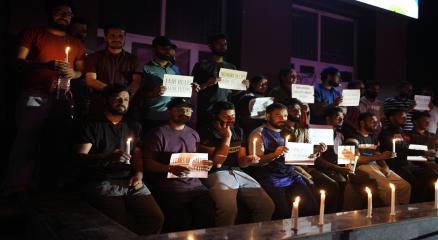
New Delhi, May 12: A massive protest organised by the National Students' Union of India (NSUI) broke out near the Shastri Bhawan on Tuesday, against the alleged paper leak in NEET-UG this year. The exam was held on May 3, following which allegations of paper leak surfaced, triggering investigations by the Rajasthan Special Operations Group (SOG) and central agencies. Earlier, the National Testing Agency (NTA) announced the cancellation of NEET-UG 2026, and said the examination will be re-conducted on dates to be notified separately. In a statement, the NTA said the decision was taken with the approval of the Government of India in the interest of maintaining transparency and preserving trust in the national examination system.
Srinagar, Feb 12: Jammu and Kashmir recorded over 15.48 lakh traffic violation cases in 2025, with authorities collecting more than Rs 34.17 crore as penalty under the Motor Vehicles Act, the Centre informed Parliament on Thursday. The information was shared in the Lok Sabha in response to a question raised by MP Janardan Singh Sigriwal. According to the official data, 15,48,525 challans were issued across the Union Territory in 2025, while the penalty amount recovered stood at Rs 34,17,36,740. The figures further show that in 2024, a total of 15,44,105 violations were registered with a penalty collection of around Rs 43.40 crore, while in 2023, 12,38,584 challans were issued and Rs 34.56 crore was collected. For the current year, till February 8, 2026, Jammu and Kashmir has recorded 1,63,531 traffic violation cases, with revenue collection of about Rs 2.11 crore. The Ministry of Road Transport and Highways stated that stricter penalties under the Motor Vehicles (Amendment) Act, 2019 are aimed at ensuring better compliance and deterrence. It also said that traffic enforcement falls under the jurisdiction of States and Union Territories. The government has issued a Standard Operating Procedure (SOP) for electronic monitoring and is promoting technology-driven enforcement through Automatic Number Plate Recognition (ANPR) cameras integrated with the VAHAN database. Awareness campaigns under the Sadak Suraksha Abhiyan are also being carried out to improve road safety.
New Delhi, Jan 25: The Dental Council of India (DCI) has directed all universities and dental colleges across the country to strictly ensure a minimum of 80 percent biometric attendance for Post Graduate students before allowing them to appear in examinations. The decision has been taken to curb absenteeism among postgraduate dental students. According to a circular issued by the Dental Council of India-a statutory body under the Ministry of Health and Family Welfare, Government of India, the decision has been taken after multiple complaints were received from dental colleges in Rajasthan, Haryana and Uttar Pradesh regarding non-attendance of PG students. "The matter was examined by the Grievance Sub-Committee of the DCI in its meeting held on November 24, 2025," the circular reads. It reads that after detailed discussion and deliberation, the committee recommended that all universities and dental colleges must ensure compliance with Regulation 18(a)(i) of the DCI Master of Dental Surgery Course Regulations, 2017, which mandates at least 80 per cent attendance. "The recommendation of the Grievance Sub-Committee has been approved by the Executive Committee of the Dental Council of India through circulation and has now been formally communicated for information and necessary action," the circular reads. As per the circular, all the universities and dental colleges have been directed to ensure minimum 80 per cent biometric attendance of all PG students before permitting them to appear in examinations. The order, issued by Deputy Secretary Dental Council of India Mukesh Kumar, is expected to be implemented with immediate effect across the country.
Srinagar, Jan 8: Contractual faculty members working in government degree colleges of Jammu and Kashmir Higher Education Department (HED) have expressed strong resentment over what they term as a glaring disparity in salaries, demanding revision of their pay in line with University Grants Commission (UGC) norms and regularisation of their services. The faculty, many of whom hold PhDs and are qualified through NET, SET and JRF, said they have been denied UGC-recommended pay scales despite discharging academic responsibilities equivalent to their regular counterparts. “Hundreds of highly qualified scholars have been pushed into silent suffering. For years, we have been assured that our pay revision is under consideration, but nothing has materialised so far,” said Dr Ishfaq Gowhar, a contractual faculty member. Earlier, Director Colleges J&K had acknowledged the legitimacy of the faculty’s demand, stating that while the issue was genuine, its implementation involved significant financial implications due to the large number of contractual appointments. “We are aware that they deserve salary enhancement, but the number of contractual faculty is huge and it has financial implications,” he earlier said. Dr Gowhar pointed out that contractual lecturers, who form the backbone of the higher education system, continue to work on a fixed monthly honorarium of Rs 28,000, which has remained unchanged for nearly a decade. “The irony is that a Class IV employee with a Class 10 qualification draws a salary exceeding Rs 50,000, while doctorate-holding teachers engaged in teaching, mentoring and academic research are paid a fraction of that,” he said. He added that institutions such as SKUAST-K, University of Kashmir and Islamic University of Science and Technology (IUST) have implemented revised UGC pay scales, but the Higher Education Department has failed to extend similar treatment to its contractual faculty. Dr Gowhar said the demand for “equal work, equal pay” gets prominently featured in election campaigns, raising hopes among contractual teachers. “Promises were made and slogans echoed during elections, but once the process ended, our voices were reduced to silence. Even meeting officials now feels impossible,” he said. He said contractual faculty were not seeking privileges but dignity, fairness and recognition for their service. The faculty appealed to the Jammu and Kashmir Lieutenant Governor Manoj Sinha, Chief Minister Omar Abdullah and the Education Minister to intervene and take concrete steps towards addressing their long-pending demands. “This issue is not merely about salaries. It is about survival, justice and dignity in the classrooms of Jammu and Kashmir,” he said.
Srinagar, March 6: Around 17 candidates from Jammu and Kashmir have qualified the Civil Services Examination (CSE)-2025, the result for which was declared by the Union Public Service Commission (UPSC) on Friday. The commission recommended a total of 958 candidates for appointment to the Indian Administrative Service (IAS), Indian Foreign Service (IFS), Indian Police Service (IPS) and various central services. Anuj Agnihotri, an MBBS graduate, has topped the civil services examination 2025, while Rajeshwari Suve M and Akansh Dhull have got the second and third ranks respectively. According to the official list released by the UPSC the 17 candidates from J&K who have figured in the final merit list include Suvan Sharma (Rank 148), Sugandha Gupta (207), Towseef Ganie (Rank 254), Ritika (Rank 456), Sooyash Shivam (Rank 572), Muneeb Parrah (Rank 581), Ghulam Din (Rank 683), Dwarka Gaadhi (Rank 721), Akash (Rank 747), Koh E Safa (Rank 763), Yasaar (Rank 811), Abhishek (Rank 820), Pankaj (Rank 856), Mohammad Ajaz (Rank 869), Azhar (Rank 886), Sarfraz (Rank 936), and Irfan (Rank 957). The results were declared after conducting the written examination in August 2025 followed by the personality tests (interviews) conducted between December 2025 and February 2026. As per the result notification issue by the UPSC, a total of 958 candidates have been recommended for appointment against 1087 vacancies reported by the government for the examination cycle. These include 180 vacancies in the IAS, 55 in the IFS, 150 in the IPS, 507 in Central Services Group A and 195 in Group B services. Of the total recommended candidates, 317 are from the general category, 104 from the economically weaker sections, 306 from other backward classes, 158 from scheduled castes and 73 from scheduled tribes. A consolidated reserve list of 258 candidates has also been published in accordance with the rules. The claims of recommended candidates regarding reservation categories will be subject to verification by the concerned authorities. The UPSC has stated that the candidature of 348 recommended candidates has been kept provisional, while the result of the two candidates has been kept withheld. The CSE is conducted annually in three stages- preliminary, Mains and interview by the UPSC to select officers of the Indian Administrative Service (IAS), Indian Foreign Service (IFS) and Indian Police Service (IPS) among others. The civil services (preliminary) examination 2025 was conducted on May 25 of 2025. A total of 937876 candidates applied for this examination, out of which 5,76,793 actually appeared in the test. A total of 14,161 candidates qualified for appearance in the written (Main) examination which was held in August, 2025. Of these, 2736 candidates had qualified for the personality test (interview) of the examination. Prime Minister Narendra Modi congratulated the candidates who qualified the UPSC exam. "Congratulations to all those who have successfully cleared the Civil Services Examination, 2025. Their dedication, perseverance and hard work have led to this significant milestone. Wishing them the very best as they embark on a journey of serving the nation and fulfilling the aspirations of the people," PM Modi wrote on his official X handle. "To those who may not have secured the desired outcome in the Civil Services Examination, I understand that such moments can be difficult. However, this is only one step in a larger journey. Many opportunities lie ahead, both in future examinations and in the many avenues through which you can contribute to our nation. My best wishes for the road ahead," his post on X reads. UPSC chairman Ajay Kumar announced the declaration of the result and congratulated the candidates who qualified the exam. "Congrats to all successful candidates as you begin a career of service to the nation. For those who did not make it-the learning from this journey will guide you in the paths ahead," UPSC Chairman wrote in a post on X. Among the 17 candidates from J&K who qualified UPSC exam inlcude a visually impaired candidate Irfan Ahmad Lone, a resident of Manzpora in the Naidkhai area of Bandipora.