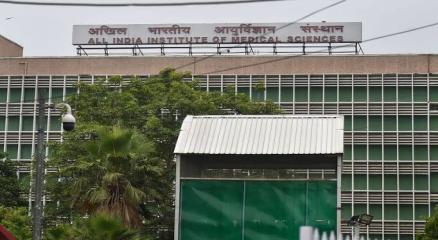
New Delhi, Sep 19: Metabolic surgery could help achieve remission of type-2 diabetes in a selected few patients, and better blood sugar control in many when the disease remains uncontrolled despite appropriate medical treatment, a senior AIIMS doctor said. Dr Manjunath Maruti, professor in the Department of Surgery said the procedure should not be viewed as a treatment for every person with diabetes, but as one of the evidence-based options for patients whose blood sugar remains uncontrolled despite medicines and lifestyle changes. "For some patients medication and lifestyle modification will be sufficient. For others, despite appropriate medical therapy, diabetes would remain uncontrolled. In these patients, metabolic surgery may provide an opportunity to achieve remission, and in some, much better glycaemic control" Dr Manjunath said. According to the protocol followed by his unit, metabolic surgery may be considered when a patient's HbA1c, a measure of average blood sugar, remains above 7.5 per cent despite treatment with more than three oral anti-diabetic medicines, with or without a GLP-1 receptor agonist or insulin. The patient should also have been living with type-2 diabetes for at least two years. Surgery may also be considered when a patient has been advised or started on insulin because medicines are no longer sufficient to control blood sugar, he said. Another important indication is the presence of early diabetes-related organ damage, irrespective of the HbA1c level, Dr Manjunath said. This could include protein or albumin in the urine, suggesting early kidney damage; pain in the legs while walking due to reduced blood flow; heart related chest pain or a history of angioplasty or stent placement indicating heart disease; a transient ischemic attack or stroke; or reduced vision caused by diabetic eye disease. "In simple terms, uncontrolled diabetes means diabetes that remains inadequately controlled despite more than three medicines, or when insulin was started, or when diabetes has already started causing damage to important organs," he said. Dr Manjunath said the upfront cost of metabolic surgery need to be weighed against the substantial long-term health and economic burden of uncontrolled diabetes. Over time, diabetes can cause complications such as kidney failure requiring dialysis or transplantation, heart disease requiring procedures or bypass surgery, diabetic retinopathy requiring laser treatment, peripheral vascular disease that may require surgery or, in severe cases, amputation, and stroke requiring prolonged hospitalisation. "No treatment can guarantee that these complications will never occur. But sustained improvement in metabolic health following metabolic surgery has the potential to reduce the long-term burden of diabetes and its complications," he said. The decision, he said, should therefore take into account not only the immediate cost and risks of surgery but also the possible long-term consequences of living with uncontrolled diabetes. Dr Manjunath stressed that prevention should remain the starting point in tackling diabetes, with healthier food choices, regular physical activity, adequate sleep and early identification of metabolic disease. Patients who develop diabetes should have timely access to effective medical treatment, while those whose disease remains uncontrolled despite appropriate therapy should be assessed by a multidisciplinary diabetes and metabolic surgery team, he said. For appropriately selected patients, metabolic surgery can form part of the modern treatment approach, provided it is carried out by an experienced team at a dedicated centre with structured follow-up, he added. Dr Manjunath said his unit's experience of treating 67 patients with uncontrolled type-2 diabetes, including 18 patients with a body mass index (BMI) of 23-35 kg/m2 and 15-25 years of diabetes, highlights the potential role of metabolic surgery in such patients. However, long-term prospective follow-up would be important to determine how durable diabetes remission and metabolic improvements are after surgery, he said. "Do not wait for diabetes to damage the organs before you intensify treatment," Dr Manjunath said. "Metabolic surgery is not for everyone but for the right patient, at the right time, it can be transformative." (PTI)

New Delhi, Sep 19: A technology-enabled remote health monitoring system is helping patients recovering after being discharged from hospital, as well as elderly people and those experiencing sudden health problems, stay under continuous medical supervision at home. When 63-year-old Charanjit Kaur, a resident of Hari Nagar in Delhi, suddenly fainted and was rushed to hospital, doctors found that she had a 90 per cent blockage in her heart. Cardiovascular surgeon Dr Rahul Chandola at PSRI Hospital performed bypass surgery on her. A week later, when she was ready to be discharged, her son Maninder Singh, who works in the private sector, became worried. With two young children at home, he wondered how his wife would be able to take care of his mother in the same way she was being cared for in the hospital. That was when Singh came to know about iLive Connect, a technology designed to provide patients with continuous health monitoring at home, similar to the monitoring they receive in a hospital. He said the system helped his mother receive the kind of monitoring at home that doctors and hospital staff would normally provide. "If you have to rush to the hospital, the cost of travel, consultation and other expenses can come to around Rs 5,000 for a single visit. With this device, that kind of monitoring was available for around Rs 1,000. So, I would definitely call it value for money," Singh said. The technology uses a patch placed on the heart area along with a wristband to continuously capture various health parameters. The information is transmitted to doctors sitting at a remote command centre. If there is any significant change in a patient's health, the medical team can alert the patient and provide guidance on precautions or medication. Dr Sameer Maheshwari, cardiologist, iLiveConnect, said the medical-grade biosensor devices continuously monitor multiple health parameters, including ECG, heart rate, SpO2, heart rate variability, temperature, activity levels and sleep. "This 24x7 vitals monitoring and timely clinical care help prevent medical emergencies and reduce hospitalisations," he said. According to Dr Maheshwari, the system was developed to address the gap in continuous medical supervision once a patient leaves the hospital. Many serious medical events may occur after patients return home, when they are no longer under continuous medical monitoring, he said. He said the period immediately after discharge is particularly important because patients need closer monitoring and there is always a possibility of their condition suddenly worsening. Talking about his experience, Singh said, "Through the small iLive Connect device, doctors continuously monitored his mother's health parameters. Calls from the medical team every morning and evening, along with immediate advice whenever any health parameter showed an abnormality, helped make her recovery smoother." This experience is not limited to one patient. For 53-year-old government employee Rakesh Bhardwaj, a resident of Naraina Vihar in Delhi, the experience was similar. A few months ago, his blood pressure suddenly shot up to 200/130 accompanied by a severe headache that would not subside. He then used the iLive Connect device until his blood pressure stabilised. Bhardwaj said the medical team continuously monitored his health through the device and called him every day to check on his condition. Gradually, his problems were brought under control. "In this age of technology, if a doctor's support can come to you while you are sitting at home, that is a major development. Especially when even a small health concern can trouble you and you need medical advice. iLive Connect gives you the feeling and reassurance that a doctor is always there with you," he said. iLive Connect is designed to support people who experience sudden health problems, patients discharged from hospitals who need close monitoring for some time, as well as elderly people at home who may require regular observation. The support is not limited to responding to an emergency. Patients also receive calls from doctors in the morning and evening to check whether everything is going well. (PTI)
New Delhi, Sep 12: Loneliness among the elderly is emerging as a serious but often overlooked concern, doctors have warned. Older adults can feel isolated even while living with their families, and prolonged social disconnection can take a toll on both their mental and physical health, they say. According to Dr Harjit Singh Bhatti, a senior consultant of geriatric medicine at Sitaram Bhartia Hospital, loneliness is not simply about living alone but an emotional state in which a person feels disconnected, neglected or deprived of meaningful relationships. "An elderly person can live with their family and still feel lonely, while someone living alone may remain socially active and well connected. Loneliness, therefore, cannot be assessed simply by looking at whether a person lives alone or with others," said Dr Bhatti. Changing family structures, urbanisation, migration of younger people for education and employment and the growing prevalence of nuclear families have further complicated the problem, he said. Older adults who have lost a spouse, live alone, have disabilities or suffer from chronic illnesses can be particularly vulnerable, while retirement and children moving to other cities or countries may further reduce social interaction, Dr Bhatti said. Dr Avinash Chakrawarty, Professor of Geriatric Medicine at National Centre for Ageing (NCA), Delhi AIIMS, said loneliness should be viewed as a health issue rather than a consequence of ageing. Social connection is an important component of healthy ageing, and when it erodes, it can affect sleep, appetite, physical activity, mood and even treatment adherence in an elderly person, he said. Many seniors gradually withdraw from social activities because of mobility problems, hearing difficulties or a feeling that they are no longer needed, Dr Chakrawarty said. "This can create a cycle in which isolation leads to poorer mental and physical health, which in turn makes the person less willing or able to engage with others. "Families need to recognise subtle changes such as loss of interest in routine activities, reduced communication or spending most of the day alone. Regular conversations, shared meals, outings and involving seniors in family decisions can help restore a sense of belonging and purpose," Dr Chakrawarty said. Dr Anup Singh, Founder Head of the Department of Geriatric Medicine, IMS-BHU, and nodal officer/Chief of the upcoming National Centre of Ageing at BHU, said prolonged loneliness has been linked with several physical and cognitive health concerns. "Persistent stress associated with loneliness may contribute to sleep disturbances, high blood pressure and cardiovascular risk, while reduced physical and social activity can worsen existing chronic conditions," he said. "There is also growing evidence linking social isolation and loneliness with depression, anxiety and cognitive decline. In older adults, therefore, assessing social connectedness should be part of a broader health evaluation," he added. Doctors must ask about who the patient interacts with, how often they participate in activities and whether they feel supported, rather than limiting consultations to medicines and laboratory reports, Dr Singh said. The problem is not restricted to cities, doctors insist. While busy urban lifestyles and limited neighbourhood interaction can leave seniors isolated, migration of younger generations for employment can similarly leave older adults in rural areas without regular companionship, Dr Singh said. Technology can help bridge geographical distances through phone calls, video calls and social media, though, he stated. Dr Bhatti said tackling loneliness does not necessarily require major interventions. "Regular conversations, sharing meals, involving older family members in everyday activities and genuinely listening to them can go a long way. They need to feel that they continue to be an important part of the family," he said. Senior citizen clubs, community centres, volunteering opportunities, cultural programmes and intergenerational activities can also help older adults remain socially engaged. As India's elderly population continues to grow, doctors said addressing loneliness will become increasingly important to ensure that longer life also translates into healthier and more fulfilling ageing. (PTI)

Baramulla, May 19: The Non-Gazetted Employees Forum of Government Medical College (GMC) Baramulla on Tuesday organised a peaceful candlelight protest in support of employees facing long-pending service issues and stagnation in promotions. The protest was held in a disciplined manner, with employees gathering to express solidarity with staff members working across various medical colleges. The participants said that despite rendering years of dedicated service, many employees have not received promotions for the past seven years, leading to growing frustration and mental stress among the workforce. Speaking during the protest, an employee said the prolonged stagnation and lack of career progression had severely affected the morale of workers. He said the employees have continued to perform their duties sincerely despite uncertainty surrounding their professional growth. The employee further said that the six-day strike earlier launched by the employees was suspended following assurances given by Javid Hassan Baig. He said the employees respect the assurance of the MLA and hope that their genuine demands will be addressed in a positive and time-bound manner. The Non-Gazetted Employees Forum reiterated that its movement remains peaceful and democratic and appealed to the administration and concerned authorities to resolve the long-pending issues of employees at the earliest.

Srinagar, Feb 18: The Jammu and Kashmir Government on Wednesday informed the House that out of 877 ventilators installed across hospitals in the Union Territory, 219 remain non-functional, highlighting gaps in critical care infrastructure. Replying to a question of MLA Shamim Firdous, minister in-charge for Health and Medical Education Department informed the House that 658 ventilators are functional while 219 are non-functional. While giving institution-wise details, she said that in GMC Jammu and its associated hospital there are 320 ventilators, among which 209 are functional and 111 are non-functional. “In SMHS Srinagar, 08 ventilators are non-functional and in GMC Srinagar associated hospitals excluding SMHS, 44 are non-functional,” the government said. As per the figures, in GMC Anantnag only 10 out of 36 ventilators are functional while GMC Baramulla has 2 non-functional ventilators and GMC Doda 10, GMC Kathua 2 and GMC Rajouri 3 are non-functional as well. Also, in GMC Udhampur and GMC Handwara, all 39 and 6 ventilators respectively are functional. The government further said, in SKIMS and its associated hospitals, out of 53 ventilators, 40 are functioning while 13 are non-functional.
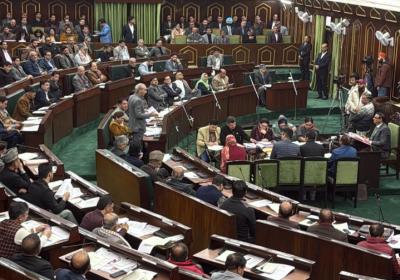
Srinagar Feb 5: The Jammu and Kashmir government on Thursday informed the Legislative Assembly that around 20 Addiction Treatment Facilities (ATFs) were established across J&K UT. The government informed the House that in addition, six private de-addiction facilities are operational in the UT. The details were shared by the government while replying to a query raised by MLA Devyani Rana. The Government said that ATFs are now fully operational across the Union Territory. "There are 11 such centers in the Kashmir Division and 9 in the Jammu Division," the minister in-charge informed the House. "These government facilities provide outpatient (OPD) services and function in all 20 districts, the reply reveals." These centers provide counseling and initial treatment to those in need. In addition, Inpatient (IPD) services with dedicated beds for comprehensive rehabilitation are available in the nine Government Medical Colleges. Some district hospitals also have admission facilities. In addition to the 20 government ATFs, some private and NGO-run centres have also started to operate in J&K. These offer rehabilitation and mental health care services. The government further informed that since 2022 Kashmir Division has recorded 16,759 patients for treatment of addiction. "This is slightly higher than 15,758 patients registered in the Jammu division. The total number of people registering for de-addiction across J&K is approximately 32,500," the reply reads. In Kashmir, Srinagar which runs the major de-addiction facilities, has the largest share with over 6,100 registrations. "This is followed by districts Anantnag, Kulgam, and Baramulla. In Jammu, the Government Medical College in Jammu city has handled the highest number of nearly 9,800 cases," the government informed the House. Kathua, Rajouri, and surrounding areas also have a significant number of registrations. "The facilities for de-addiction are being set up as part of the broader Nasha Mukt Bharat Abhiyaan and Nasha Mukt Jammu Kashmir Abhiyaan," the government informed the House.

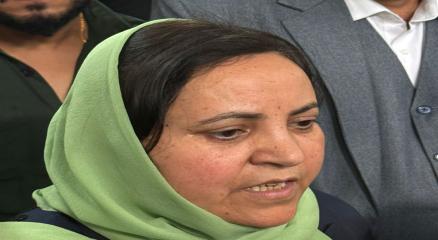
Srinagar, Feb 5: The Jammu and Kashmir Government on Thursday informed the Legislative Assembly that around 49276 cases of drug abuse were reported in Jammu and Kashmir since 2022. She further said that 16759 such patients have been registered in Kashmir and 32517 in Jammu respectively. The minister was speaking in response to a MLA Tanvir Sadiq, who told the House that he earlier introduced a bill on drug abuse, making it compulsory to teach the ill effects of drug addiction in schools. "I had withdrawn the bill on the assurance of the government," he said. The health minister however informed the House that the government would bring a bill on drug abuse during the ongoing session of the Legislative Assembly. "The bill has been prepared and will be introduced in the House during the ongoing session," she informed the House. The Minister said that the government is also in the process of finalising drug de-addiction rules. “We have framed the drug de-addiction rules and have sent them to the Law Department for examination,” she said.
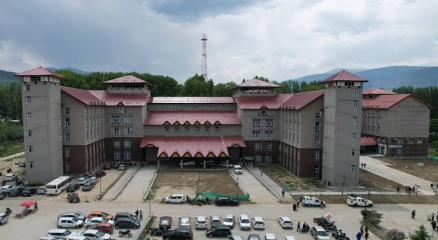
Srinagar, Feb 03: The J&K Government on Tuesday informed the Legislative Assembly that Government Medical College (GMC) Baramulla and its Associated Hospital were facing a serious manpower shortage across teaching, clinical and support staff. The minister in-charge in a reply said that large scale vacancies were unfilled in faculty, gazetted and non gazetted category as well. The government figures produced in the Assembly revealed that out of the total sanctioned faculty strength at GMC Baramulla stands at 272 posts only 209 faculty members are in place while 63 posts are unfilled till date. The shortage is acute in senior teaching positions as out of 23 sanctioned posts of Professors, only eight are filled while 15 have been rendered vacant. "Against the sanctioned strength of 33 posts, GMC Baramulla has eight posts vacant while 20 out of 65 positions of Assistant Professors are lying vacant as well," the government figures revealed. Also, six posts of Junior Residents and five posts of Senior Residents are lying vacant as well. The official figures also revealed that GMC Baramulla has a shortfall of manpower in non-gazetted staff, particularly in technical, nursing and support categories as well. The details were produced in the House in response to a query raised by MLA Aga Syed Muntazir. As per the government figures, against a sanctioned strength of 260 non gazetted posts 211 posts are filled through permanent and contractual arrangements while 49 posts are vacant. Technical Assistant and Technician posts show a gap of 4 vacancies out of 37 sanctioned positions, while key support roles such as workshop workers remain completely vacant with all 6 posts unfilled. Several specialised healthcare support services are also understaffed at GMC Baramulla as posts of Psychiatric Social Worker, Tuberculosis and Chest Diseases Health Visitor, Prosthetic and Orthotic Technician besides Rehabilitation Worker are lying vacant. Against sanctioned strength of 21 posts of Senior Nurses none has been filled till date while four posts of Nursing Supervisor are vacant as well. Out of 59 sanctioned gazetted posts, only 25 are in position, leaving 34 posts vacant. Key specialties remain understaffed as well. There are no Senior Consultants in Medicine, Surgery or Ophthalmology at GMC Baramulla. Consultant posts in Medicine, Paediatrics, Psychiatry, Orthopaedics, ENT, Radiology and Gynaecology also show vacancies, while Medical Officers face a shortfall of 16 posts out of sanctioned 29 posts. The non gazetted staff situation is equally concerning as against 100 sanctioned posts, only 44 are filled, leaving 56 vacancies. Nursing services are under strain with 21 vacancies in Junior Grade Nurses and 4 vacancies among Senior Nurses. Laboratory, pharmacy, dental, X Ray, theatre and technical sections also report multiple vacant posts, affecting routine and emergency services.

Washington, Jan 20: Widespread smartphone and social media use among children is driving a sharp rise in depression, anxiety and suicide, top American lawmakers and experts have said calling it a public health crisis that demands urgent government action. Parents are increasingly alarmed by the amount of time children spend on screens and the nature of the content they consume, said Senator Ted Cruz, during a Senate Commerce Committee hearing titled “Plugged Out: Examining the Impact of Technology on America’s Youth.” Cruz said children aged 8 to 12 now spend an average of 5.5 hours a day on screens, while teenagers spend more than 8.5 hours a day. “More than half of a teenager’s waking hours are spent staring at a screen,” he said, calling the trend deeply troubling for parents and educators. Psychologist Jean Twenge told lawmakers that the youth mental health crisis accelerated sharply after 2012, when smartphones became widespread and social media use shifted from optional to nearly mandatory for adolescents. “Clinical-level depression doubled among adolescents and young adults between 2011 and 2019,” Twenge said. She added that emergency room visits for self-harm doubled among girls aged 15 to 19 and quadrupled among girls aged 10 to 14 over the same period, while suicide rates in those age groups also doubled. Twenge said the timing of the mental health decline did not align with economic factors but closely tracked the rise of smartphones and social media. "This was the first time the majority of Americans owned smartphones,” she said, describing it as a pivotal moment for adolescent behavior. Noting that social media platforms are deliberately designed to capture attention, using algorithms that keep young users scrolling, Ranking Member Maria Cantwell cited research showing that teenagers spend more than an hour a day on smartphones during school hours alone, often on platforms such as Instagram, TikTok and YouTube. Cantwell said studies have linked heavy social media use to higher rates of anxiety, depression and isolation among youth. She also cited findings showing that roughly 40 percent of teens exhibit concerning patterns of media addiction, which she said doubles the risk of suicidal behavior. Pediatrician Jenny Radesky said many digital products used by children were never designed with youth development in mind. “Most digital products used by youth were designed by adults for adults and retrofitted for children after harms were recognized,” she said. Radesky warned that engagement-driven designs often conflict with basic needs such as sleep, homework and family interaction. She said frequent notifications, algorithmic feeds and compulsive design features make it difficult for children to disengage, contributing to stress and emotional dysregulation. Several senators expressed concern that schools are compounding the problem by issuing internet-connected devices to students with limited safeguards. Cruz said many parents find it harder to manage screen time when children are required to use laptops or tablets for schoolwork. “There are not many parents who think it has become easier to help their kids when schools send them home with a tablet,” he said, adding that technology in classrooms should be evaluated for whether it improves learning or causes harm. Experts also warned that sleep deprivation and reduced face-to-face interaction are worsening the crisis. Twenge said teens now spend significantly less time with friends in person and are sleeping less than previous generations, both factors strongly linked to poor mental health outcomes. Lawmakers from both parties said the problem is likely to intensify as artificial intelligence becomes more embedded in platforms used by children, increasing exposure to addictive and emotionally manipulative content. (IANS)

Srinagar, Jan 19: Jammu and Kashmir Lieutenant Governor Manoj Sinha on Monday laid the foundation stone for Meerz Health Care Hospital in Srinagar. This will be 180-bedded super speciality hospital and boost medical infrastructure and enhance healthcare services for Srinagar city and nearby Districts. The Lieutenant Governor congratulated and extended his best wishes to the Meerz Group and everyone associated with the hospital. He highlighted that the private investment in healthcare infrastructure is the cornerstone of sustainable national progress and lifeline for the society. “Healthcare is the bedrock for building stable, vibrant and prosperous society. Industry leaders in healthcare sector must focus on world-class infrastructure to create a resilient society,” the Lieutenant Governor said. Managing Director Meerz Group Farooq Mir, Chairperson J&K Waqf Board Dr Darakhshan Andrab, Divisional Commissioner Kashmir Anshul Garg, SSP Srinagar Dr GV Sundeep Chakravarthy, Deputy Commissioner Srinagar Akshay Labroo, senior officials, medical professionals and prominent citizens from different walks of life attended the foundation laying ceremony.

Srinagar, Jan 12: The Food Safety Department of Jammu and Kashmir has busted a module involved in the manufacture and sale of fake honey and desi ghee in Srinagar, which was being passed off as home-made products. Officials said a team of food safety officers conducted raids at multiple locations in the Barthana and Qamarwari areas of the Srinagar, during which the illegal manufacturing unit was detected. During the operation, the team recovered a large quantity of hydrogenated oil, which was allegedly being used to prepare a mixture sold as desi ghee at roadside outlets. Officials further said that sugar and other material used in the preparation of a mixture being sold as locally produced honey were also seized from the premises. The department has initiated further investigation to identify the supply chain and take action against those involved, under relevant provisions of the Food Safety Act.
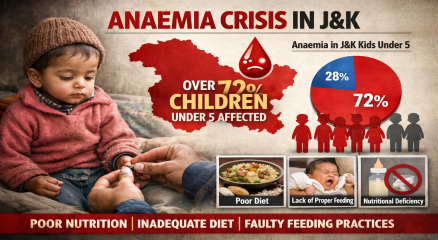
Srinagar, Jan 10: Over 72% of children under the age of five are suffering from anaemia in Jammu and Kashmir, one of the highest rates in the country. Experts warn that this alarming trend poses serious risks to the growth, immunity, and development of the region’s youngest population. As per the 'Children in India 2025' report by the Ministry of Statistics and Programme Implementation, 72.7 per cent of children, including 73.9% male and 71.4% females, are anaemic in J&K which includes 73.5 per cent in rural areas and 70.1 per cent in urban areas. Doctors termed it a serious public health concern. "When a child is anaemic, their blood lacks enough healthy red blood cells or haemoglobin needed to carry oxygen throughout the body," the doctors said. "This leads to fatigue, weakened immunity, delayed growth, impaired brain development, lowered learning ability, and increased risk of infections," they said. Dr Shabeena Shah, a child specialist, said the most common cause of anaemia worldwide and in India is nutritional deficiency, especially iron deficiency. "Young children have high iron needs for rapid growth, but many diets do not supply enough iron or other vital nutrients like folate and vitamin B12," she said. "Iron Deficiency Anaemia (IDA) is the predominant form responsible for a large share of anaemia cases in toddlers and young children." According to the doctor, a diet too reliant on staple grains without enough iron-rich foods (like leafy greens, lentils, eggs, meat, fortified cereals) worsens this deficiency. She said the children whose mothers are anaemic themselves are more likely to be anaemic. Low maternal iron stores during pregnancy limit the amount of iron the baby receives before birth and through early infancy, Dr Shah added. Dr Showkat Hussain, another doctor, said that after six months of age, breast milk alone is not enough to meet a baby’s iron requirements. He said that if complementary foods aren’t introduced properly or are low in iron, the risk of anaemia increases. He added that parasitic infections like hookworm and other gastrointestinal infections can cause blood loss and reduce nutrient absorption, contributing significantly to anaemia. Dr Hussain added that inclusive breastfeeding for the first six months provides optimal nutrition and helps build immunity. "Breast milk contains iron that is easily absorbed by infants, helping protect against anaemia in early infancy. However, after 6 months, iron stores from birth get depleted, and complementary foods need to be introduced. If the complementary diet lacks iron-rich foods, anaemia risk rises," he added. Doctors said that inadequate complementary feeding, such as giving mostly watery cereals or liquid foods without iron enrichment, can worsen anaemia. They added that eating fried or junk foods does not directly cause anaemia, but it contributes indirectly by displacing nutritious foods in a child’s diet, providing empty calories with little iron, vitamins, or minerals. Doctors called for introducing iron-rich complementary foods after six months, such as meat, eggs, green leafy vegetables, lentils, beans, pair iron foods with vitamin C-rich foods (like citrus fruits, tomatoes) to improve iron absorption and avoid overreliance on packaged snacks and fried foods. They said the government programmes, such as Anaemia Mukt Bharat and Mission Poshan 2.0, provide iron and folic acid supplements for children and mothers. The weekly iron supplementation and fortified foods can substantially reduce anaemia prevalence, the doctors said, adding that routine deworming and immunisation help reduce anaemia caused by parasites and infections. (KNO

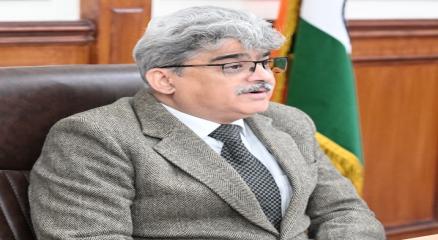
Says Ayush has vital role in preventive, promotive, holistic healthcare Jammu, Jan 10: Chief Secretary, Atal Dulloo Saturday chaired a review meeting to take stock of the progress achieved under the National Ayush Mission (NAM), with emphasis on service delivery, infrastructure creation and outreach initiatives aimed at strengthening Ayush-based healthcare across the districts of J&K. Secretary H&ME; Principal GMC Srinagar, Commissioner FDA, Director, Health Kashmir and Jammu division, Director, Ayush and other concerned officers were present in the meeting. During the meeting, the Chief Secretary was informed that all 523 Ayushman Arogya Mandirs (Ayush) across the UT have been fully operationalized since 31st March 2025. These centres are providing a wide range of Ayush wellness interventions and patient care services based on Ayush principles and practices. Reviewing the status of infrastructure development, it was apprised that the 50-bedded Integrated Ayush Hospital at Chawalgam, Kulgam, has been completed and made fully operational. The hospital recorded an OPD footfall of 12,852 patients during 2024–25 and 5,546 patients during 2025–26 up to December 2025. An amount of Rs 105 lakh has been approved under SAAP 2025–26 for completion of allied works, including landscaping, herbal garden development and other facilities, besides manpower support. The meeting was further informed that the 50-bedded Integrated Ayush Hospital at Billawar, Kathua, has achieved around 80 percent physical progress, with finishing works such as tiling and aluminum works underway. An allocation of Rs 70 lakh has been approved for construction of the boundary wall, and the project is scheduled for completion by March 2026. Similarly, the 10-bedded Integrated Ayush Hospital at Gadhi Garh, Jammu, has been made operational in the building of Sub-Centre Lower Gadhi Garh. OPD services at the facility have catered to 7,609 patients during 2024–25 and 4,713 patients during 2025–26 up to December 2025. An amount of Rs 122.50 lakh has been approved for construction of an additional block and engagement of manpower. The Chief Secretary reviewed the implementation of Ayush Public Health Programmes, and it was reported that targets have been exceeded in several areas. Under the National Programme for Prevention and Management of Osteoarthritis and other Musculoskeletal Disorders, 62 units have been operationalized, with 59,628 people screened and 48,576 patients provided Ayush treatment. Highlighting the performance the Director, Ayush, Dr Suresh Sharma apprised the meeting that under SUPRAJA, focusing on maternal and neonatal health, 33 units have been made functional, while 40 units each have been operationalized under AYURVIDYA for school health and KARUNYA for palliative care. He further divulged that the VAYO MITRA programme for geriatric healthcare is being implemented through 22 units, benefiting thousands of senior citizens. He added that the Mobile Medical Units and NPCDCS components are also expanding Ayush outreach to remote and underserved areas. The meeting also reviewed the outcomes of Ayush wellness interventions delivered through Ayushman Arogya Mandirs. It was given out that during 2024–25 and 2025–26, lakhs of beneficiaries were reached through yoga sessions, OPD consultations, distribution of medicines, non-communicable disease screening, Prakriti Parikshan, and community awareness initiatives, reflecting the growing acceptance of Ayush services among the public. On financial progress, it was informed that during 2024–25, an expenditure of over 71 percent was achieved under NAM. For 2025–26, funds amounting to Rs 37.31 Cr have been on-boarded through SNA-SPARSH, with significant releases already made to implementing agencies. Overall expenditure of over 80 percent is expected to be achieved by the end of March 2026. The Chief Secretary also reviewed progress in Ayush educational institutions, including Government Ayurvedic, Unani and Homeopathic Medical Colleges. Academic activities, infrastructure strengthening, creation of teaching and non-teaching posts and approvals for new courses were discussed as part of the efforts to strengthen human resource capacity in Ayush systems. Measures undertaken to enhance the visibility of Ayush in the UT were also highlighted. Large-scale IEC and BCC campaigns have been conducted across the districts of the UT, covering lakhs of beneficiaries through themes such as Har Ghar Ayush, Yoga and Meditation, Nasha Mukt Abhiyan, Anemia Mukt Bharat, Poshan Abhiyan, Millets awareness and observance of Ayurveda Day. Digital and social media outreach, along with regular TV and radio interactions, have further amplified public engagement, the meeting was informed. Discussing future plans, the meeting outlined proposals for establishment of Government Homeopathic Medical College at Kathua, setting up of 10/30/50-bedded Integrated Ayush Hospitals in remaining districts, establishment of a Government Ayurvedic Medical College and Hospital in Baramulla, strengthening of Ayush public health programmes in all Ayushman Arogya Mandirs, and operationalization of tele-consultation services through e-Sanjeevani. Chief Secretary Atal Dulloo emphasized timely completion of all ongoing projects, effective utilization of funds and further integration of Ayush services with the mainstream healthcare system. He reiterated that Ayush has a vital role in preventive, promotive and holistic healthcare, and directed the concerned to sustain momentum for ensuring accessible, affordable and people-centric Ayush healthcare services across the length and breadth of J&K.
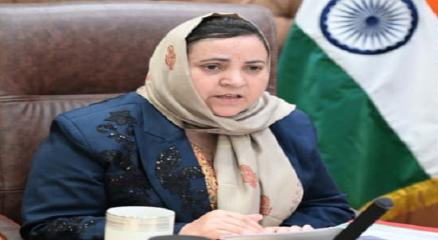
Calls for streamlining procedures, removing bottlenecks delaying appointments and posting of specialist doctors Jammu, Jan 9: Minister for Health and Medical Education, Social Welfare and Education, Sakina Friday emphasized on the need for timely referral of vacant posts to address shortages of doctors, paramedics and other support staff in healthcare institutions across Jammu and Kashmir. The Health Minister made these remarks while chairing a meeting at Civil Secretariat here to review the status of vacancies of different categories of posts at various levels and progress on referral of posts in Government Medical Colleges (GMCs) and Health and Medical department across Jammu and Kashmir. The review meeting was convened to assess the existing manpower gaps and expediting recruitment process to strengthen healthcare delivery at all levels. During the meeting, the minister emphasised on the need for timely referral of vacant posts to address shortages of doctors, paramedics and support staff in hospitals and medical institutions. She sought detailed updates on sanctioned posts, vacancies and the status of selections being processed through recruiting agencies. She stressed that efficient human resource forms the backbone of the healthcare system and directed officials to streamline procedures and remove bottlenecks delaying appointments as well as posting of specialists in deserving areas. “Cancel attachments of all doctors and paramedics and post them in areas facing acute shortage of staff," Sakina Itoo directed the officers. She further asked all Principals of GMCs and Directors to ascertain the requirement of doctors and specialists in their respective medical institutions and make a proper plan for posting of required staff at these places. She also stressed on both Directors for rationalisation of staff in order to fill necessary manpower gaps of specialists in far flung areas. She further directed the Principals for timely finalisation of recruitment rules for all categories of posts so that the process of recruitment is expedited and the vacant posts are filled timely. The minister also laid special emphasis on adopting a proactive and compassionate approach towards victims of drug abuse and highlighted the need to strengthen de-addiction and rehabilitation services. She also stressed early identification of substance abuse cases and providing comprehensive medical, psychological and social support to affected individuals. "Drug abuse need to be addressed as a serious public health as well as societal issue. The officers must enhance awareness programmes, expand counselling services and improve infrastructure at de-addiction centres to facilitate effective treatment and rehabilitation of victims," she said. She reiterated the government’s commitment to a people-centric healthcare system saying that timely recruitment, robust institutional support and a humane approach towards vulnerable sections, including drug abuse victims, remain top priorities of the government. She said government was committed to improving patient care and ensuring equitable health services, particularly in peripheral and underserved areas. She underscored that strengthening GMCs and health institutions with adequate staff would enhance health care service delivery across Jammu and Kashmir. The meeting was attended by Secretary Health and Medical Education Dr. Syed Abid Rasheed Shah, Principals of all GMCs (Srinagar, Jammu, Anantnag, Baramulla, Rajouri, Kathua, Doda, Udhampur and Handwara), Principal SKIMS Medical College, Director Health Services Jammu and Kashmir besides the senior officers of the department, either in person or through video conferencing.

Srinagar, Jan 8: Medical experts have underlined the decisive role of diet and nutrition in determining fertility outcomes for both men and women amid rising infertility concerns among couples in Kashmir. Doctors say food habits directly influence hormonal balance, reproductive health, and the quality of sperm and eggs. According to health experts, changing lifestyles marked by increased consumption of processed foods, sedentary routines and widespread nutritional deficiencies are increasingly contributing to fertility-related problems—often remaining unnoticed until couples seek medical intervention. Dr Shaheena Khan, gynaecologist at the Directorate of Health Services Kashmir (DHSK), said nutrition is among the most crucial yet neglected pillars of reproductive health. “Diet has a direct impact on fertility as it affects hormonal balance, ovulation, sperm production and the overall health of reproductive organs in both men and women,” she said. She highlighted the strong connection between body weight and fertility, explaining that both obesity and being underweight can disrupt normal reproductive functions. “Excess body fat can cause hormonal imbalances and irregular ovulation, while being underweight may suppress ovulation altogether. Maintaining a healthy weight through balanced nutrition is essential for conception,” she noted. Dr Shaheena further said diets rich in fruits and vegetables provide vital antioxidants—such as vitamins C and E, zinc and selenium—which help reduce oxidative stress, a major factor damaging sperm and egg cells. “Iron is particularly important for women as it supports ovulation and lowers the risk of ovulatory infertility, while vitamin D plays a key role in reproductive hormone production. Vitamin D deficiency is increasingly being linked with infertility in both men and women,” she added. Echoing similar views, gynaecologist Dr Javid Reshie said fertility is shaped not only by medical conditions but also by everyday lifestyle and dietary choices. “Excessive intake of alcohol and caffeine can negatively affect fertility, while trans fats found in processed and fast foods impair insulin sensitivity and ovulation,” he said. Dr Reshie expressed concern over declining sperm quality among men, calling it an emerging public health issue. “A diet rich in antioxidants, zinc, omega-3 fatty acids and healthy fats can significantly improve sperm count, motility and morphology. Men should avoid processed meats, sugary foods and excessive soy intake, as these can adversely affect testosterone levels,” he said. For women, particularly those suffering from polycystic ovary syndrome (PCOS), dietary choices play a crucial role. “A low-glycaemic-index diet helps regulate insulin levels and improves ovulation in women with PCOS, thereby increasing their chances of conception,” he added. Both doctors stressed that fertility should be viewed as a shared responsibility between partners. They also emphasised the importance of preconception nutrition, even before couples plan pregnancy. “Increasing infertility cases are not always linked to major diseases. In many instances, simple dietary corrections and healthy lifestyle changes can help restore reproductive balance,” they said. The doctors advised adopting a nutrient-rich diet comprising fresh fruits and vegetables, whole grains, lean proteins, dairy, nuts, seeds and healthy fats, while limiting processed foods, sugary drinks and trans fats. “For long-term reproductive well-being and infertility prevention, people must prioritise healthy eating habits, regular physical activity and timely medical consultation. Fertility begins with nutrition,” they said. Doctors further pointed out that infertility is not solely a woman’s issue, noting that up to 50 per cent of infertility cases involve male factors. “A balanced diet helps protect reproductive cells, maintain hormonal balance and improve overall fertility potential in both sexes,” they added.
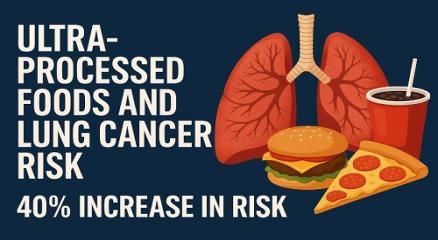
New Delhi, Jan 8: A higher intake of industrially processed foods and beverages containing preservatives used to prolong shelf life may increase the risk of cancer, according to a new study published in The BMJ. The study found that people consuming greater amounts of several commonly used preservatives—mainly non-antioxidant additives—faced a higher cancer risk compared to non-consumers or those with lower intake. These preservatives include potassium sorbate, potassium metabisulfite, sodium nitrite, potassium nitrate and acetic acid. Researchers observed that total sorbates, particularly potassium sorbate, were linked to a 14 per cent higher risk of overall cancer and a 26 per cent increased risk of breast cancer. Total sulfites were associated with a 12 per cent rise in overall cancer risk. Sodium nitrite intake was linked to a 32 per cent higher risk of prostate cancer, while potassium nitrate was associated with a 13 per cent increase in overall cancer risk and a 22 per cent rise in breast cancer risk. Similarly, total acetates were linked to a 15 per cent increase in overall cancer risk and a 25 per cent higher risk of breast cancer, while acetic acid alone was associated with a 12 per cent increased risk of overall cancer. Among antioxidant preservatives, only total erythorbates and sodium erythorbate were found to be associated with a higher incidence of cancer. “This study provides new insights that could support future re-evaluation of the safety of these food additives by health authorities, balancing their benefits in food preservation against potential cancer risks,” the research team from Université Paris Cité, France, said. The researchers added that public health guidance already strongly recommends reducing intake of processed meat and alcohol, offering practical steps for individuals even as evidence on the carcinogenic effects of preservatives continues to emerge. While further research is needed to better understand the underlying mechanisms, the study noted that several of these compounds may disrupt immune and inflammatory pathways, potentially contributing to cancer development. The analysis included 1,05,260 cancer-free participants aged 15 years and above and examined 17 individual preservatives, including citric acid, lecithins, sulfites, ascorbic acid, sodium nitrite, potassium sorbate, sodium erythorbate, potassium metabisulfite and potassium nitrate. During the follow-up period, 4,226 participants were diagnosed with cancer, including 1,208 cases of breast cancer, 508 prostate cancers, 352 colorectal cancers and 2,158 cases of other cancers.
Chennai, Jan 8: Tamil Nadu has recorded the highest number of dengue cases throughout the country in 2025 while the fatalities have remained low owing to early detection and timely medical intervention, according to Union Health Ministry data. As per the official data, the state recorded 20,866 dengue cases and 12 deaths between January and November 2025. The health officials have attributed the high case count to the strength of Tamil Nadu’s disease surveillance and reporting system ruling out an uncontrolled outbreak. "The surveillance system tracks infections from the primary health centre (PHC) level to secondary and tertiary care hospitals," the official document reads. Kerala reported the highest number of dengue-related deaths, with 49 fatalities and 10,239 cases during the same period among the southern states. Meanwhile, 2384 cases and five deaths were reported in Andhra Pradesh while Telangana recorded 8139 cases with no deaths, and Karnataka reported 6,759 cases, also without any fatalities. Tamil Nadu’s dengue trend over the past five years showed a steady rise in reported cases. In 2021, the state logged 6,039 cases and eight deaths, followed by 6,430 cases and eight deaths in 2022. In 2023, cases rose to 9,121 with 12 deaths, and in 2024, the state recorded a sharp spike of 27,378 cases and 13 deaths. Health department officials said the consistently low mortality rate reflects the effectiveness of early diagnosis, clinical monitoring, and immediate treatment protocols. “The surveillance mechanism in Tamil Nadu is robust, and cases are captured accurately across all levels of healthcare,” an official said. According to Dr Janani Sankar, Medical Director, dengue cases have begun declining since the last week of December. “We are now seeing more cases of typhoid, diarrhoea, dysentery, and respiratory infections. These are largely linked to winter conditions and travel-related factors,” she said. Head of General Medicine at Government Stanley Medical College Hospital Dr S. Chandrasekar said dengue cases usually persist until February but began falling earlier this year due to reduced rainfall, particularly in Chennai. “Mosquito breeding comes down during winter, leading to fewer dengue cases. However, people must continue safe water storage practices, as uncovered containers can still become breeding grounds,” he said. Health authorities have urged public vigilance, stressing that prevention remains key even as case numbers decline.
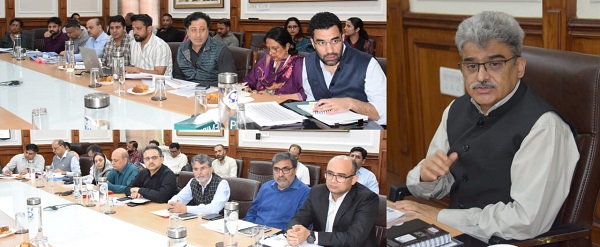
KS News DeskJammu, March 23: J&K Chief Secretary Atal Dulloo Sunday held a detailed review of infrastructure and services upgradation in health sector across all districts of Jammu and Kashmir.The meeting thoroughly analysed the action taken upon progress on key construction projects, introduction of specialization courses like MD/MS, DM/MCH, and DNB, increase of 50 MBBS seats in new medical colleges, status of faculty recruitment besides addressing the challenge of shortage of doctors in remote areas along with reviewing the action plan for strengthening tertiary care services in all the newly established GMCs.Besides Secretary H&ME, the meeting was attended by Secretary, PWD, Secretary Technical H&ME, Director SKIMS, DG Budget, MD JKPCC, Principals of all GMCs, MD JKMSCL, Director Health, Jammu and Kashmir besides other concerned officers.During the meeting, Chief Secretary impressed upon the Principals of new GMCs to create an augmentation plan of their own to reduce the referrals from these health institutions. He asked them to dovetail the existing resources for making a comprehensive strategy to enhance the capacity of their medics in coordination with SKIMS and GMCs of Srinagar and Jammu.He stressed on taking swift measures to augment critical care services to save lives of the patients by making timely interventions.He impressed upon them to receive the requisite handholding from the SKIMS or GMC Jammu/Srinagar with respect to training of staff besides acquiring the small equipments, necessary consumables to deal with such emergencies.The Chief Secretary further enquired from each Principal of the medical college about the new specialized courses like MD/MS,DM/MCH, and DNB they had made applications for as per past directions.He made out that such applications needs to be vigorously pursued as per set norms so that the NMC approval is secured in favour of all of them.As far as the introduction of additional 50 MBBS seats are concerned, he stressed on securing the requisite faculty.He urged them to fill all the entry level posts besides taking steps like hiring of staff on academic arrangement where no feasible candidates are available to fill higher positions of Professors and Associate Professors.Moreover, while taking note of the availability of doctors in remote areas, he asked for encouraging the doctors to join such places by offering them the Hardship Allowance or Non-Practising Allowances.He directed for identifying all such healthcare institutions which are lying in far off areas and deficit in medical staff.In his presentation, Secretary, H&ME, Dr Syed Abid Rasheed Shah informed the meeting that a total of 333 applications have been submitted to enhance seat availability for MD/MS, DM/MCH, and DNB programs across various medical colleges here.He added that the approval has been received for two DM Neurology seats in GMC Srinagar and three Public Health Dentistry seats in IGGDC Jammu.Regarding the enhancement of additional 50 MBBS seats in new medical colleges, he made out that applications have been submitted by all nine medical colleges of the UT and these are waiting for the pre-requisite NMC inspection for their approval of the same.It was also revealed that three-member NMC Coordination Cell has been established under the Chairmanship of the Secretary Technical, H&ME Department to iron out any issues faced by colleges in this pursuit.With respect to faculty recruitment in New Medical Colleges, the meeting was informed that appointment orders have been issued for 50 faculty and gazetted positions.Additionally 51 candidates have received engagement orders under academic arrangements also.As far as the progress on major infrastructure and development projects is concerned, MD NHM, Nazim Zia informed the meeting that the work on key infrastructure projects is being expedited.He made out that the tendering and work allocation under the PM ABHIM scheme has been accelerated with work apace on several of these projects.He also mentioned that the works on all the critical care blocks in DHs, 9 Community Health Centers (CHCs), 236 Block Public Health Units (BPHUs) stands awarded, with 77 already started on the site.Other notable projects include the State Cancer Institutes, where the procurement of a Linear Accelerator (LINAC) is in its final stages for full functionality.The meeting also discussed the pace and progress on the balance works of New Medical Colleges at Kathua, Doda, Anantnag, Baramulla setting deadline for each of them.GMC Udhampur is set for completion by July 2025, with 75% of the work already finished.The progress on relocation of GMC, Handwara to some feasible site was also taken appraisal of. It was said that the relocation is in final stage.About the status of Specialities, the meeting was informed that the Pediatric Hospital in Srinagar is fully operational, providing advanced child healthcare services.The Super Specialty Hospital in Jammu had been provisioned with a state-of-the-art Cath Lab, to offer high-end cardiology services.Regarding augmentation of health services in other areas it was said that a 125-bedded hospital in Reshipora, Budgam, and a 100-bedded Maternal & Child Health Hospital in Lamberi are under construction, set to be completed in 2026.To tackle the shortage of doctors in underserved areas, the government is launching several initiatives including providing special hardship allowances, non-practicing allowance to attract medical professionals to remote locations besides fast-tracking the recruitment of medical officers.The meeting was apprised that over 275 medical officers are set to be appointed, with 582 non-gazetted vacancies referred to the Jammu & Kashmir Services Selection Board for immediate recruitment which would help in tiding over this staff deficit to a larger extent.

KS News Desk Jammu, Mar 19: Legislators in the Jammu and Kashmir Assembly on Wednesday called for a Central Bureau of Investigation (CBI) probe into the mysterious deaths in Budhal, Rajouri.The government informed the House that various toxins were detected in samples collected from the area.During the Question Hour, MLA Budhal Javed Iqbal Choudhary raised the demand for a CBI inquiry into the unexplained fatalities in his constituency. Different toxins have been found in the samples. It seems they were poisoned with a truckload of toxins, Choudhary claimed.He alleged that these deaths are part of a larger conspiracy aimed at destabilizing peace in Jammu and Kashmir.These deaths shouldnt be viewed in isolation from the incidents in Kulgam and Kathua. It appears to be an attempt to destabilize peace, he added.He urged the government for a thorough investigation to uncover the cause of these deaths.MLA Surankote Choudhary Muhammad Akram supported the demand for a CBI probe.CPI(M) MLA Muhammad Yousuf Tarigami also voiced concern over the issue.The invisible hands behind these deaths must be unmasked. It is ironic that the cause of these deaths remains unknown. What happened there today could happen anywhere tomorrow," he said in the House.Responding to the demands, Minister in-charge of Health and Medical Education, Sakina Itoo informed the House that the government has done what it could do."We have done what we could. The Home Department is not under our control," she informed the House.She informed the House that an investigation by the Home Department is ongoing.Further steps will be taken once the investigation is completed, she said.The minister in-charge said the deaths were not caused by any disease.In a written reply, the minister informed the House that clinical reports, laboratory investigations, and environmental samples indicated that the incidents were not due to a communicable disease of bacterial or viral origin.According to the PGIMER Chandigarh report, traces of aluminum and cadmium were found.The CFSL Chandigarh report detected chlorfenapyr in the viscera samples of all 17 deceased. (KNO)
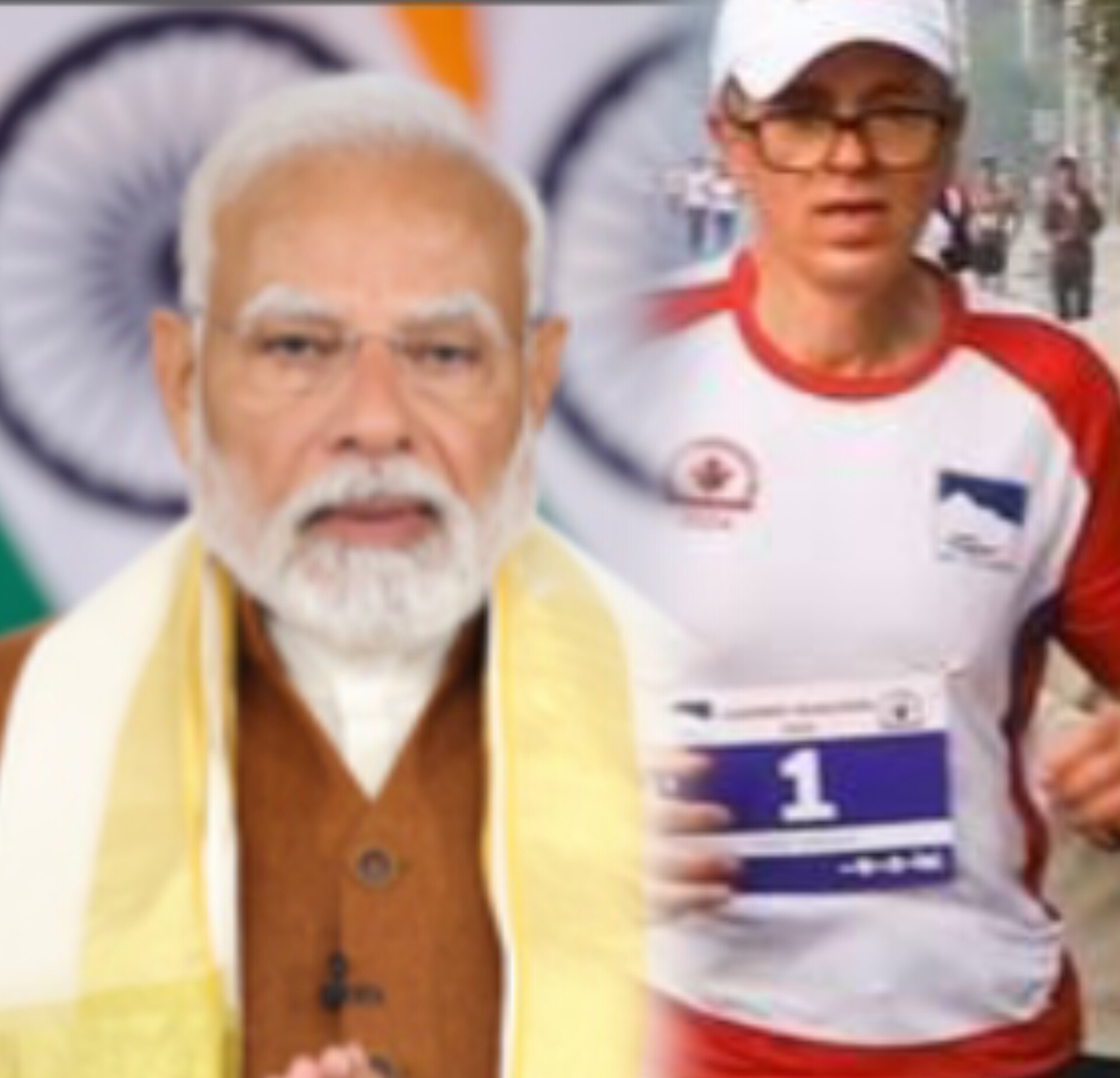
New Delhi, Feb 24: Prime Minister Narendra Modi on Monday invited ten prominent personalities to join the national movement against obesity and promote awareness about healthy food consumption, aligning with his Fit India initiative.Among those nominated were Jammu and Kashmir Chief Minister Omar Abdullah, businessman Anand Mahindra, actor-turned-politician Dinesh Lal Yadav aka Nirahua, Olympic medalists Manu Bhaker and Mirabai Chanu, actors Mohanlal and R. Madhavan, singer Shreya Ghoshal, Rajya Sabha MP and philanthropist Sudha Murthy, and Infosys co-founder Nandan Nilekani.PM Modi urged these personalities to further nominate ten individuals each, amplifying the movement's reach and impact.Taking to X, the Prime Minister stated, "As mentioned in yesterday's Mann Ki Baat, I would like to nominate the following people to help strengthen the fight against obesity and spread awareness on reducing edible oil consumption in food. I also request them to nominate ten people each so that our movement gets bigger! Collectively, let us make India fitter and healthier."In his monthly radio program, 'Mann Ki Baat' on Sunday, PM Modi lauded India's rapid progress toward becoming a global sporting powerhouse and stressed the importance of leading a healthy life.During the address, he also highlighted a growing health concern -- obesity. Referring to discussions at the National Games' opening ceremony in Dehradun, he emphasised the urgent need to address India's rising obesity crisis.Citing World Health Organization data, he warned that one in every eight people in India is affected by obesity, with cases having doubled in recent years. More alarmingly, childhood obesity has increased fourfold.He pointed out that excessive weight is linked to numerous health complications, including heart disease, diabetes, and hypertension. However, he reassured that small yet meaningful lifestyle changes could help tackle the issue.To further this initiative, he invited Olympic gold medalist Neeraj Chopra, boxer Nikhat Zareen, and renowned cardiologist Dr Devi Shetty to share their insights on combating obesity in the radio programme.The Prime Minister urged citizens to embrace healthier eating habits, particularly by reducing excessive oil consumption. He emphasised that making informed dietary choices is not merely a personal decision but a collective responsibility toward family and society."Using less oil in food and dealing with obesity is not just a personal choice but also our responsibility towards the family. Excessive use of oil in food can cause many diseases like heart disease, diabetes, and hypertension," he said."By making small changes in our food habits, we can make our future stronger, fitter, and disease-free. Therefore, without delay, we must increase our efforts in this direction and implement them in our lives. We can all do this together in a very playful and effective way," he said. (IANS)
Geneva, Feb 12: Communication with the US regarding the ongoing bird flu outbreak has become increasingly difficult because of the country's withdrawal from the UN health agency, said the World Health Organization (WHO). Christian Lindmeier, a WHO spokesperson, addressed the issue at a press briefing in Geneva late on Tuesday, explaining, "Communication is a challenge indeed. The traditional ways of contact have been cut", Xinhua news agency reported. However, he declined to elaborate.Since the outbreak of H5N1 bird flu in the US in April 2024, nearly 70 people, primarily farm workers have been infected.The US Centers for Disease Control and Prevention (CDC) has reported that while there is no evidence of human-to-human transmission and the public health risk remains low, individuals with prolonged exposure to birds, poultry, or livestock are at higher risks of infection.Concerns have been raised about the impact of the US withdrawal from the WHO, particularly regarding the sharing of critical information.On his inauguration day on January 20, President Donald Trump signed an executive order to pull the US out of the organisation.According to US media reports, some countries have privately expressed concerns over the possibility that the US might cease sharing information on emerging viruses, which could play a critical role in preventing the next pandemic.The situation has become more concerning following the recent discovery of a second strain of bird flu in dairy cattle in the US state of Nevada, prompting fears for the broader scope of the outbreak, Xinhua reported.The executive order signed by Trump on the withdrawal stated that the WHO mishandled the Covid pandemic and that the agency required "unfairly onerous payments" from the US that were disproportionate to the sums provided by other, larger countries, such as China.The US has long been the largest contributor to the WHO's mission, contributing $1.28 billion in 2022 and 2023 - $400 million more than Germany, the second-largest contributor.Meanwhile, the WHO "hopes the US will reconsider the decision, for the benefit of the health and well-being of millions of people around the globe." (IANS)
New Delhi, May 12: A massive protest organised by the National Students' Union of India (NSUI) broke out near the Shastri Bhawan on Tuesday, against the alleged paper leak in NEET-UG this year. The exam was held on May 3, following which allegations of paper leak surfaced, triggering investigations by the Rajasthan Special Operations Group (SOG) and central agencies. Earlier, the National Testing Agency (NTA) announced the cancellation of NEET-UG 2026, and said the examination will be re-conducted on dates to be notified separately. In a statement, the NTA said the decision was taken with the approval of the Government of India in the interest of maintaining transparency and preserving trust in the national examination system.
Srinagar, Feb 12: Jammu and Kashmir recorded over 15.48 lakh traffic violation cases in 2025, with authorities collecting more than Rs 34.17 crore as penalty under the Motor Vehicles Act, the Centre informed Parliament on Thursday. The information was shared in the Lok Sabha in response to a question raised by MP Janardan Singh Sigriwal. According to the official data, 15,48,525 challans were issued across the Union Territory in 2025, while the penalty amount recovered stood at Rs 34,17,36,740. The figures further show that in 2024, a total of 15,44,105 violations were registered with a penalty collection of around Rs 43.40 crore, while in 2023, 12,38,584 challans were issued and Rs 34.56 crore was collected. For the current year, till February 8, 2026, Jammu and Kashmir has recorded 1,63,531 traffic violation cases, with revenue collection of about Rs 2.11 crore. The Ministry of Road Transport and Highways stated that stricter penalties under the Motor Vehicles (Amendment) Act, 2019 are aimed at ensuring better compliance and deterrence. It also said that traffic enforcement falls under the jurisdiction of States and Union Territories. The government has issued a Standard Operating Procedure (SOP) for electronic monitoring and is promoting technology-driven enforcement through Automatic Number Plate Recognition (ANPR) cameras integrated with the VAHAN database. Awareness campaigns under the Sadak Suraksha Abhiyan are also being carried out to improve road safety.
New Delhi, Jan 25: The Dental Council of India (DCI) has directed all universities and dental colleges across the country to strictly ensure a minimum of 80 percent biometric attendance for Post Graduate students before allowing them to appear in examinations. The decision has been taken to curb absenteeism among postgraduate dental students. According to a circular issued by the Dental Council of India-a statutory body under the Ministry of Health and Family Welfare, Government of India, the decision has been taken after multiple complaints were received from dental colleges in Rajasthan, Haryana and Uttar Pradesh regarding non-attendance of PG students. "The matter was examined by the Grievance Sub-Committee of the DCI in its meeting held on November 24, 2025," the circular reads. It reads that after detailed discussion and deliberation, the committee recommended that all universities and dental colleges must ensure compliance with Regulation 18(a)(i) of the DCI Master of Dental Surgery Course Regulations, 2017, which mandates at least 80 per cent attendance. "The recommendation of the Grievance Sub-Committee has been approved by the Executive Committee of the Dental Council of India through circulation and has now been formally communicated for information and necessary action," the circular reads. As per the circular, all the universities and dental colleges have been directed to ensure minimum 80 per cent biometric attendance of all PG students before permitting them to appear in examinations. The order, issued by Deputy Secretary Dental Council of India Mukesh Kumar, is expected to be implemented with immediate effect across the country.
Srinagar, Jan 8: Contractual faculty members working in government degree colleges of Jammu and Kashmir Higher Education Department (HED) have expressed strong resentment over what they term as a glaring disparity in salaries, demanding revision of their pay in line with University Grants Commission (UGC) norms and regularisation of their services. The faculty, many of whom hold PhDs and are qualified through NET, SET and JRF, said they have been denied UGC-recommended pay scales despite discharging academic responsibilities equivalent to their regular counterparts. “Hundreds of highly qualified scholars have been pushed into silent suffering. For years, we have been assured that our pay revision is under consideration, but nothing has materialised so far,” said Dr Ishfaq Gowhar, a contractual faculty member. Earlier, Director Colleges J&K had acknowledged the legitimacy of the faculty’s demand, stating that while the issue was genuine, its implementation involved significant financial implications due to the large number of contractual appointments. “We are aware that they deserve salary enhancement, but the number of contractual faculty is huge and it has financial implications,” he earlier said. Dr Gowhar pointed out that contractual lecturers, who form the backbone of the higher education system, continue to work on a fixed monthly honorarium of Rs 28,000, which has remained unchanged for nearly a decade. “The irony is that a Class IV employee with a Class 10 qualification draws a salary exceeding Rs 50,000, while doctorate-holding teachers engaged in teaching, mentoring and academic research are paid a fraction of that,” he said. He added that institutions such as SKUAST-K, University of Kashmir and Islamic University of Science and Technology (IUST) have implemented revised UGC pay scales, but the Higher Education Department has failed to extend similar treatment to its contractual faculty. Dr Gowhar said the demand for “equal work, equal pay” gets prominently featured in election campaigns, raising hopes among contractual teachers. “Promises were made and slogans echoed during elections, but once the process ended, our voices were reduced to silence. Even meeting officials now feels impossible,” he said. He said contractual faculty were not seeking privileges but dignity, fairness and recognition for their service. The faculty appealed to the Jammu and Kashmir Lieutenant Governor Manoj Sinha, Chief Minister Omar Abdullah and the Education Minister to intervene and take concrete steps towards addressing their long-pending demands. “This issue is not merely about salaries. It is about survival, justice and dignity in the classrooms of Jammu and Kashmir,” he said.
Srinagar, March 6: Around 17 candidates from Jammu and Kashmir have qualified the Civil Services Examination (CSE)-2025, the result for which was declared by the Union Public Service Commission (UPSC) on Friday. The commission recommended a total of 958 candidates for appointment to the Indian Administrative Service (IAS), Indian Foreign Service (IFS), Indian Police Service (IPS) and various central services. Anuj Agnihotri, an MBBS graduate, has topped the civil services examination 2025, while Rajeshwari Suve M and Akansh Dhull have got the second and third ranks respectively. According to the official list released by the UPSC the 17 candidates from J&K who have figured in the final merit list include Suvan Sharma (Rank 148), Sugandha Gupta (207), Towseef Ganie (Rank 254), Ritika (Rank 456), Sooyash Shivam (Rank 572), Muneeb Parrah (Rank 581), Ghulam Din (Rank 683), Dwarka Gaadhi (Rank 721), Akash (Rank 747), Koh E Safa (Rank 763), Yasaar (Rank 811), Abhishek (Rank 820), Pankaj (Rank 856), Mohammad Ajaz (Rank 869), Azhar (Rank 886), Sarfraz (Rank 936), and Irfan (Rank 957). The results were declared after conducting the written examination in August 2025 followed by the personality tests (interviews) conducted between December 2025 and February 2026. As per the result notification issue by the UPSC, a total of 958 candidates have been recommended for appointment against 1087 vacancies reported by the government for the examination cycle. These include 180 vacancies in the IAS, 55 in the IFS, 150 in the IPS, 507 in Central Services Group A and 195 in Group B services. Of the total recommended candidates, 317 are from the general category, 104 from the economically weaker sections, 306 from other backward classes, 158 from scheduled castes and 73 from scheduled tribes. A consolidated reserve list of 258 candidates has also been published in accordance with the rules. The claims of recommended candidates regarding reservation categories will be subject to verification by the concerned authorities. The UPSC has stated that the candidature of 348 recommended candidates has been kept provisional, while the result of the two candidates has been kept withheld. The CSE is conducted annually in three stages- preliminary, Mains and interview by the UPSC to select officers of the Indian Administrative Service (IAS), Indian Foreign Service (IFS) and Indian Police Service (IPS) among others. The civil services (preliminary) examination 2025 was conducted on May 25 of 2025. A total of 937876 candidates applied for this examination, out of which 5,76,793 actually appeared in the test. A total of 14,161 candidates qualified for appearance in the written (Main) examination which was held in August, 2025. Of these, 2736 candidates had qualified for the personality test (interview) of the examination. Prime Minister Narendra Modi congratulated the candidates who qualified the UPSC exam. "Congratulations to all those who have successfully cleared the Civil Services Examination, 2025. Their dedication, perseverance and hard work have led to this significant milestone. Wishing them the very best as they embark on a journey of serving the nation and fulfilling the aspirations of the people," PM Modi wrote on his official X handle. "To those who may not have secured the desired outcome in the Civil Services Examination, I understand that such moments can be difficult. However, this is only one step in a larger journey. Many opportunities lie ahead, both in future examinations and in the many avenues through which you can contribute to our nation. My best wishes for the road ahead," his post on X reads. UPSC chairman Ajay Kumar announced the declaration of the result and congratulated the candidates who qualified the exam. "Congrats to all successful candidates as you begin a career of service to the nation. For those who did not make it-the learning from this journey will guide you in the paths ahead," UPSC Chairman wrote in a post on X. Among the 17 candidates from J&K who qualified UPSC exam inlcude a visually impaired candidate Irfan Ahmad Lone, a resident of Manzpora in the Naidkhai area of Bandipora.